
Trouble With Basic Counting
Memorizing number words in sequence is possible, but connecting those words to physical objects fails. They struggle to sort items by size or shape and find recognizing printed numerals difficult.
Learn More About Our Dyscalculia Support
Math confusion often goes unnoticed or gets dismissed as carelessness, which fails to consider the uniqueness of certain minds. If homework brings tears regularly, seeking specialized dyscalculia help can change how your child sees education and boost their self-esteem.
Signs to Watch For
If concepts like “more” or “less” feel abstract, your child may struggle to subitize, which means looking at a small group of dots and knowing the amount without counting them individually.
Connecting math symbols to actual actions presents a constant challenge. They often confuse plus and minus signs or completely misinterpret instructions on worksheets even though they understand the concept when spoken aloud.
Organizing numbers on a page creates major confusion. Aligning columns for addition or tracking place value becomes a barrier, causing computational errors despite knowing the correct steps to solve the problem.

Relying on physical fingers for basic facts well past an age-appropriate stage because mental math lines slip away.
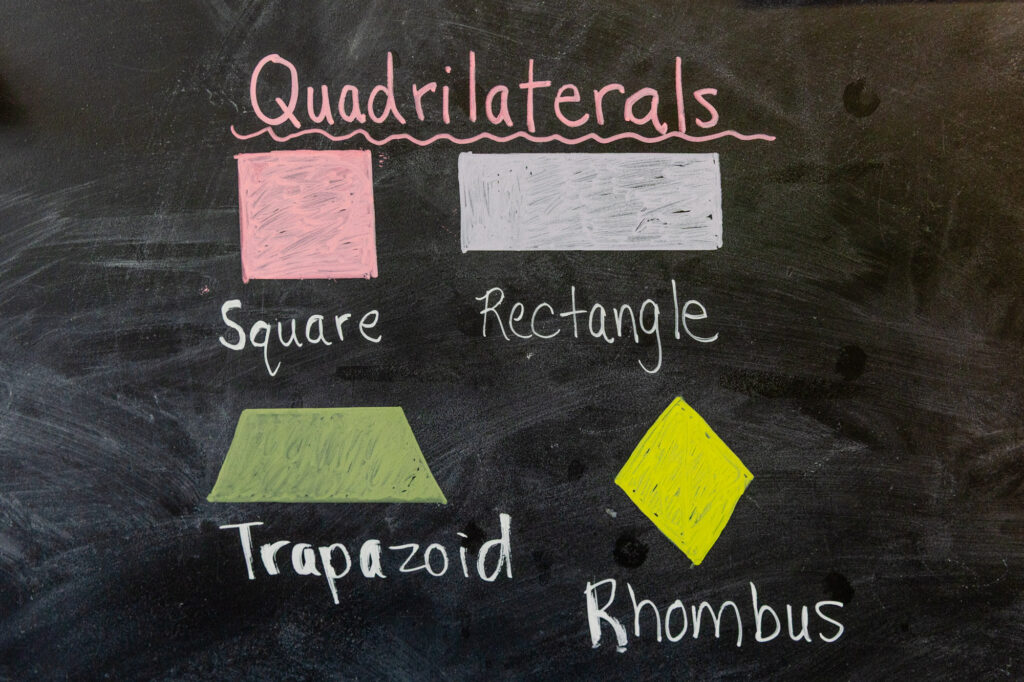
Mixing up left from right or losing their place on charts, grids, and geometric maps.
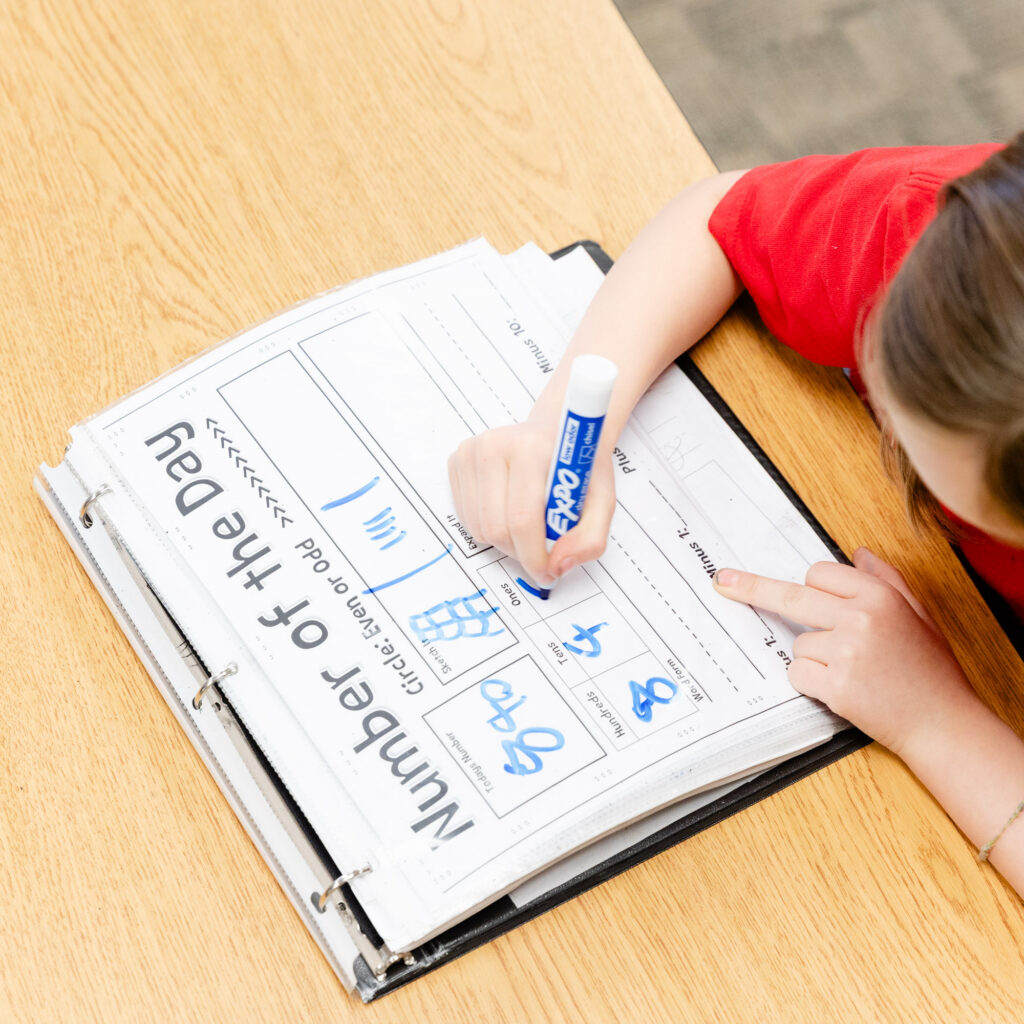
Missing predictable sequences like skip counting or failing to notice that 2+3=5 relates to 3+2=5.
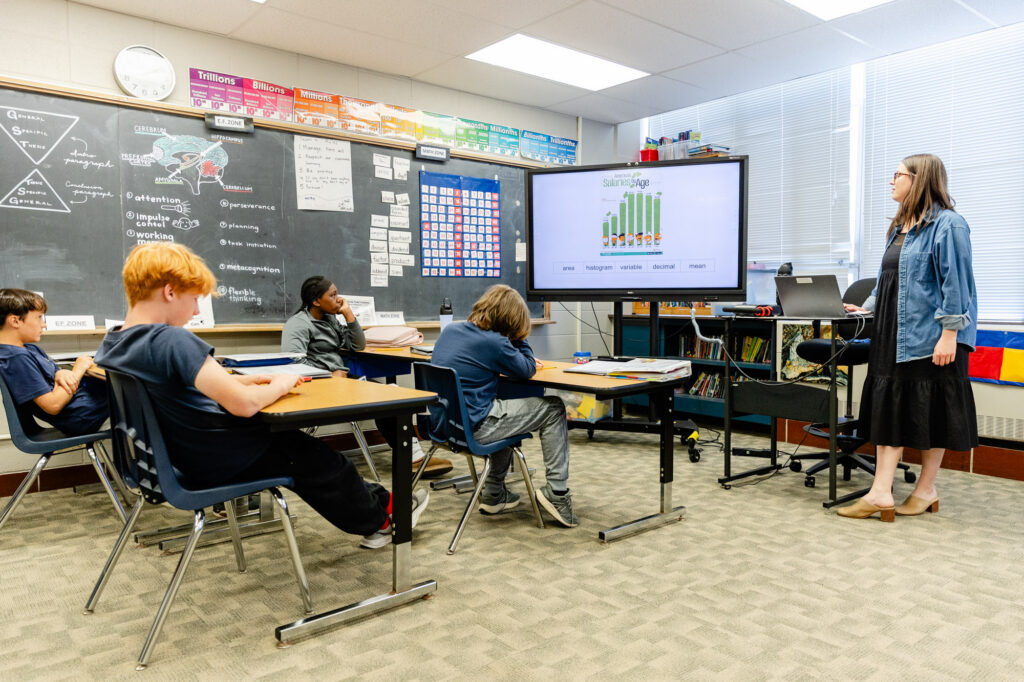
Experiencing deep confusion when handling loose change, calculating totals, or estimating proper store balance.
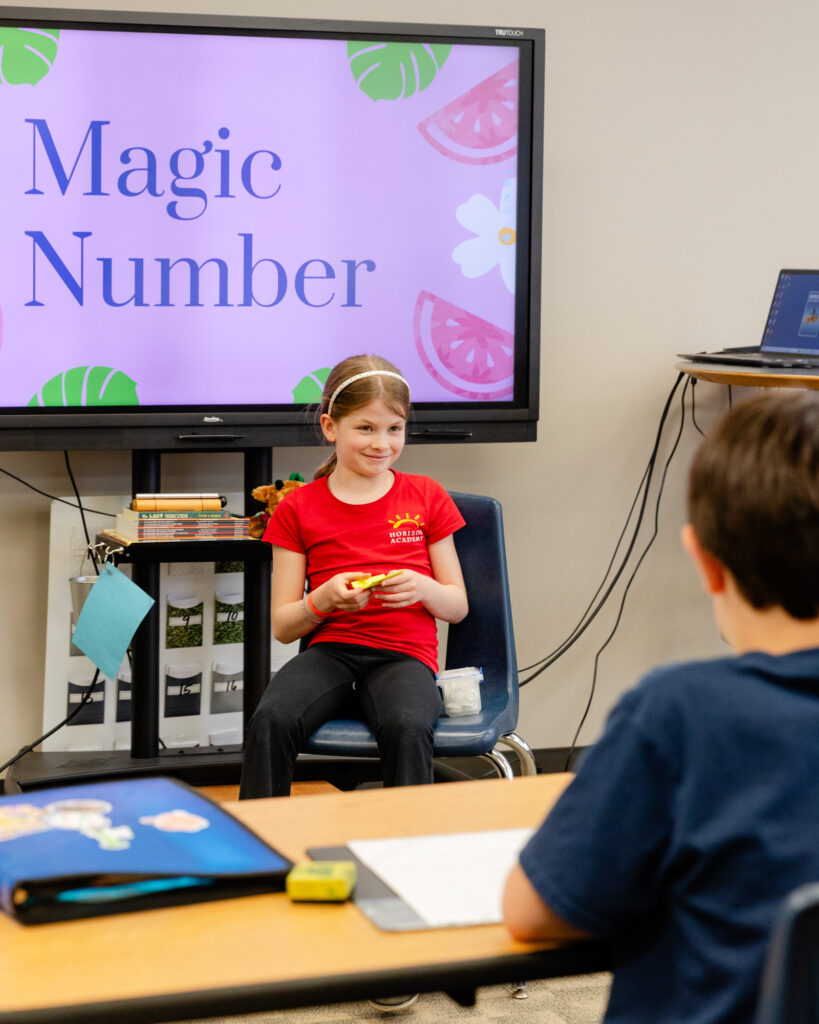


Trouble With Basic Counting
Memorizing number words in sequence is possible, but connecting those words to physical objects fails. They struggle to sort items by size or shape and find recognizing printed numerals difficult.
Difficulty Recalling Facts
Multiplication tables and basic math facts do not stick despite hours of flashcard practice. They misjudge basic measurements and feel intense panic whenever unexpected math quizzes occur.
Fearing Everyday Math Tasks
Real-world math creates immense avoidance. Telling time on analog clocks, reading bus schedules, or split-second scorekeeping during sports causes embarrassment, which can make individualized dyscalculia help vital for building life skills.
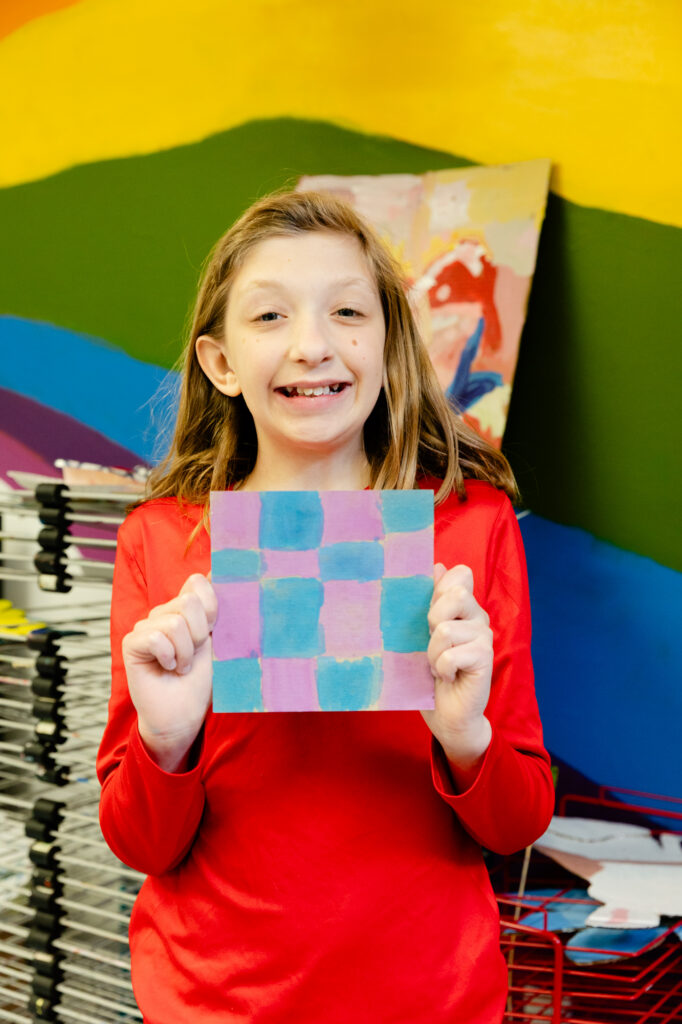
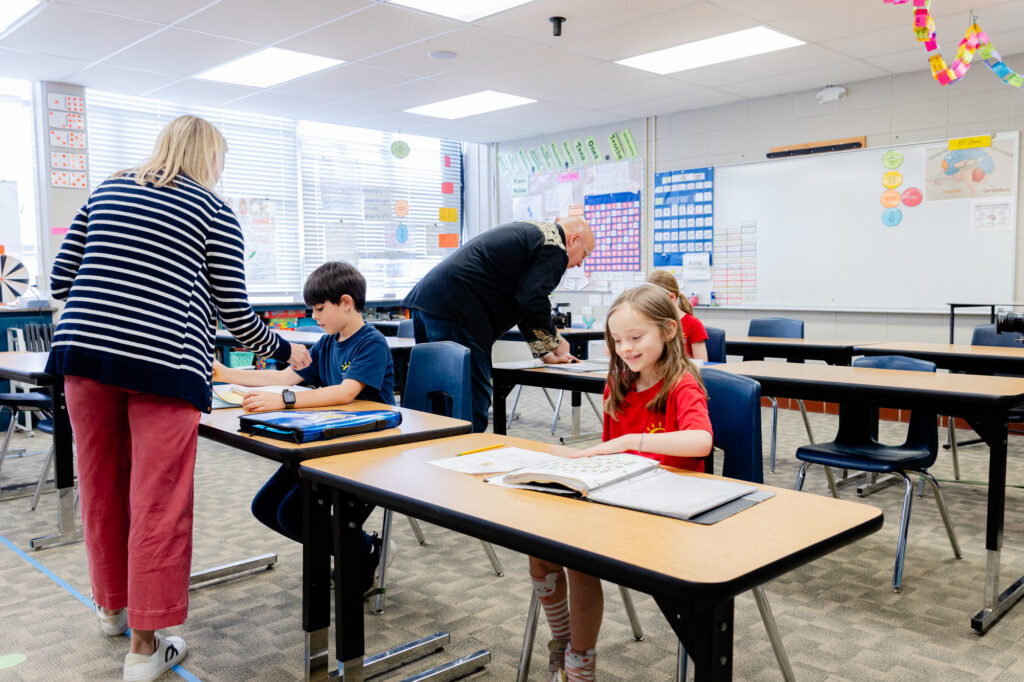
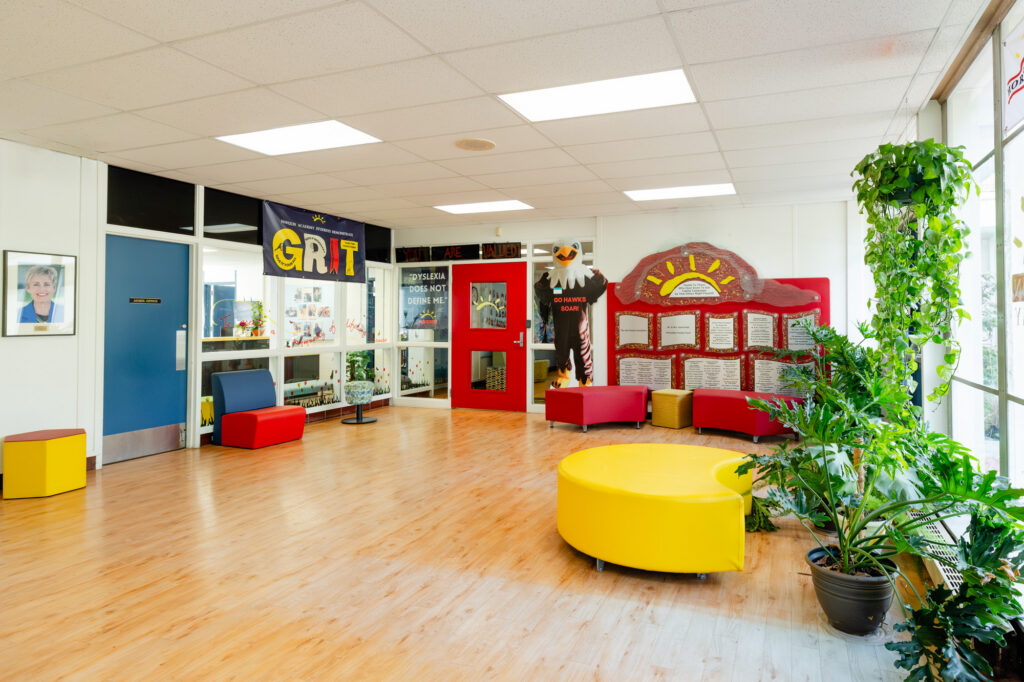
Horizon Academy is a school specifically for students with dyslexia and other language-based learning disabilities, using evidence-based strategies, like the Orton-Gillingham Approach, Multisensory Math, The Writing Revolution, and executive function skill building.


Document the specific math concepts that trigger frustration or avoidance during homework.
Connect with your child’s educator to determine if classroom performance mirrors the struggles seen at home.
Arrange a specialized diagnostic screening to reveal numerical processing strengths and executive function struggles.
Explore full-time programs that replace abstract drill worksheets with the Multisensory Math approach.