Early Reading Delays
Children commonly struggle to connect letters and sounds, learn sight words, follow multi-step directions, or develop confidence with reading and writing tasks.

You know your child better than anyone. Are they struggling more in school than they should be? Did it take them longer than most of their peers to learn their ABCs? Horizon Academy is here to help you identify signs of dyslexia, dysgraphia, and dyscalculia in your child.
Grandparent Testimonial
Signs to Watch For
A language-based learning disability that affects reading, spelling, decoding, and written language skills. Your child may struggle with sounding out words, reading fluently, or remembering letter sounds.
A learning disability that impacts handwriting, spelling, sentence organization, and written expression. It’s common for your child to know what they want to say but struggle to put their thoughts clearly on paper.
A math-related learning disability that affects number sense, calculations, patterns, and problem-solving. Children may have difficulty memorizing math facts or understanding numerical concepts.
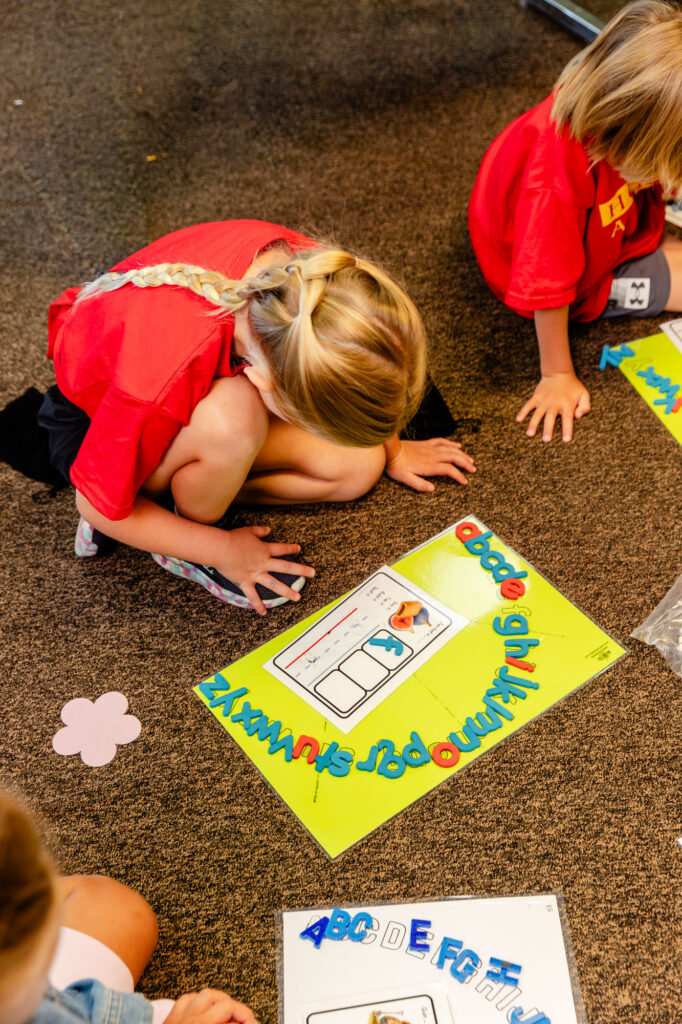
Difficulty learning letter names, rhyming, or recognizing sounds in words during early childhood.
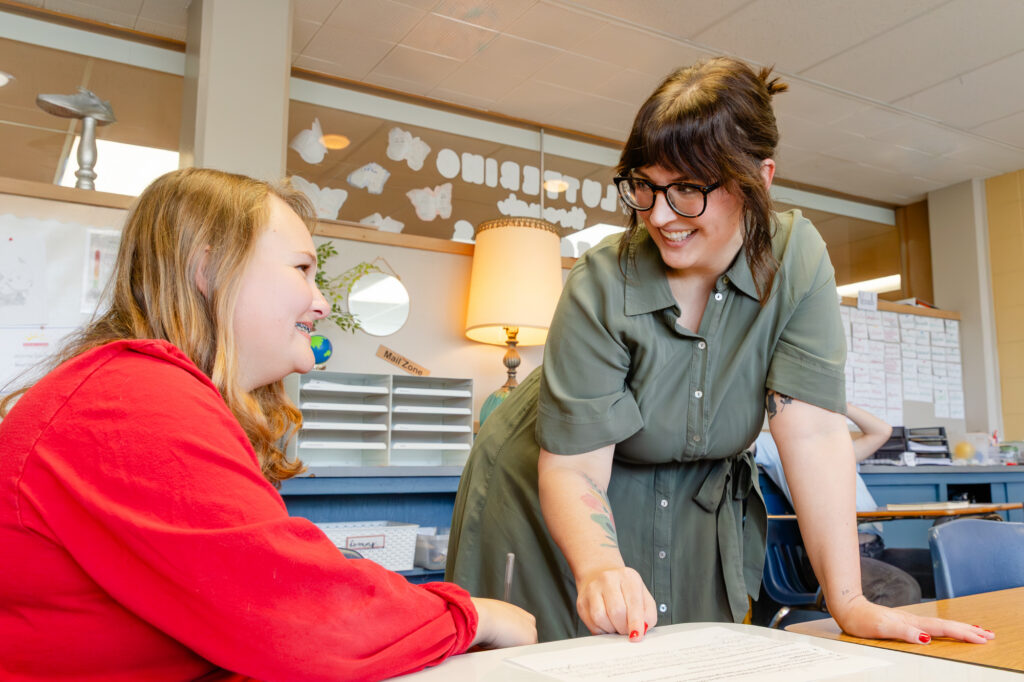
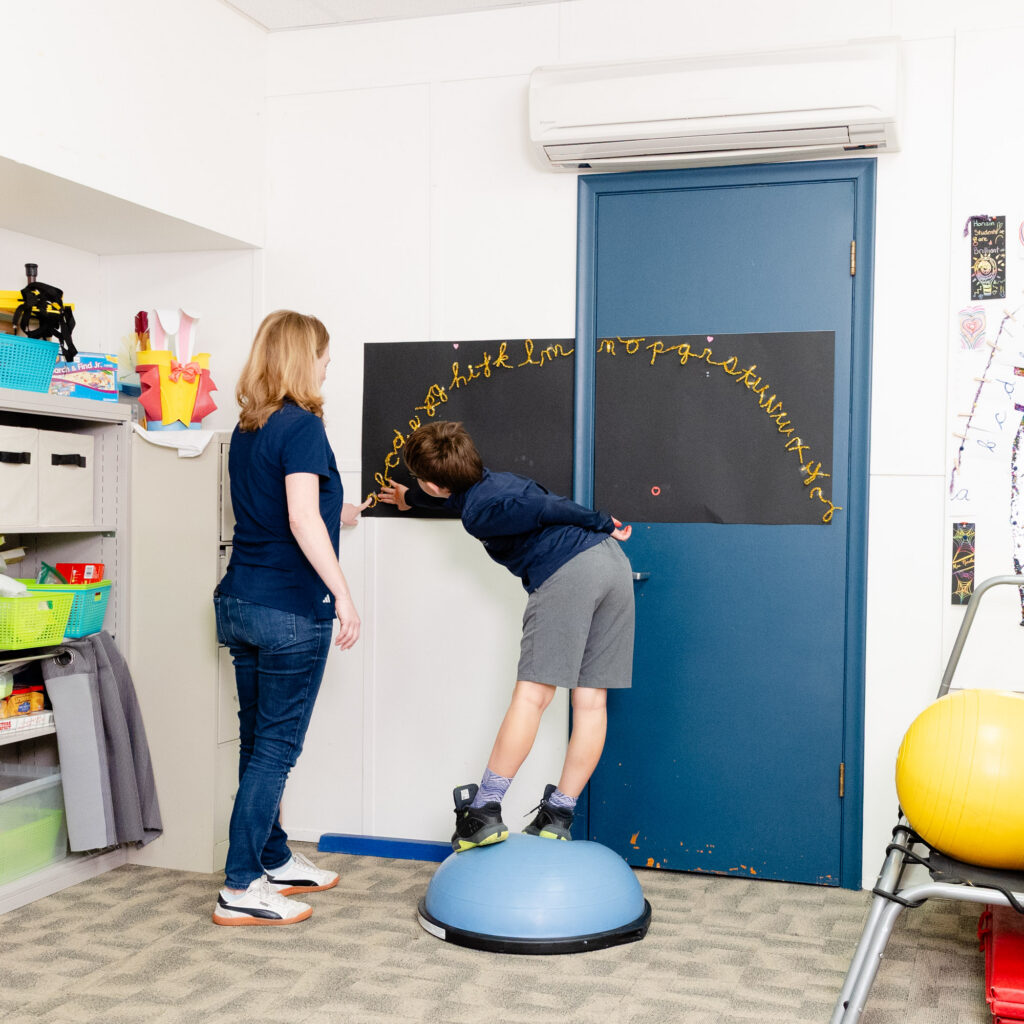
Frustration with reading aloud, guessing words, avoiding Language Arts homework, or overall low self-esteem in regard to reading.
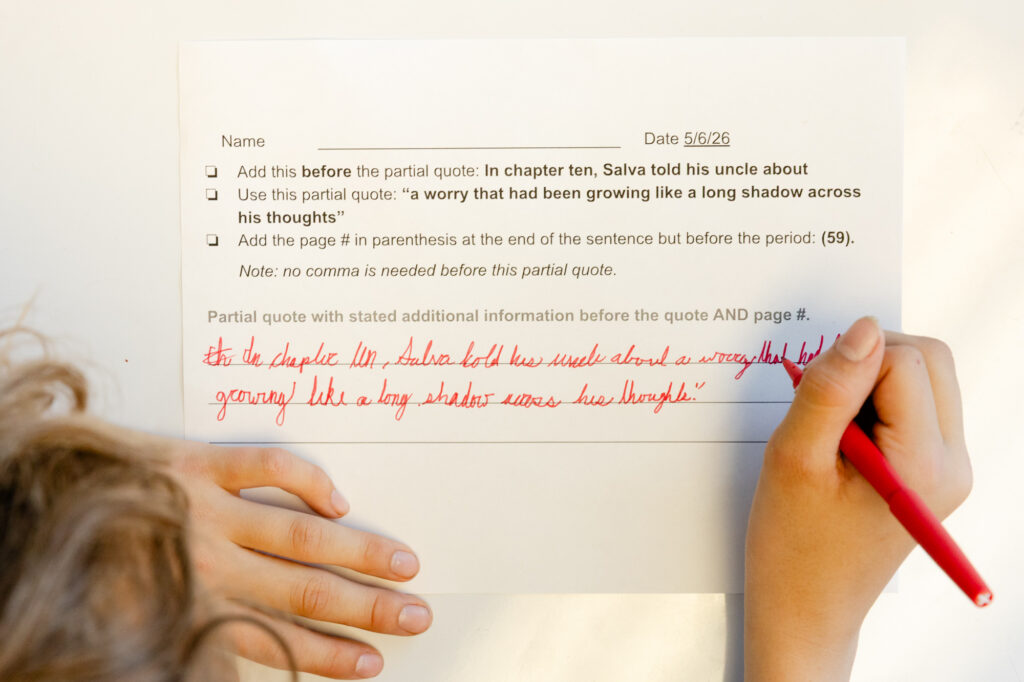
Illegible handwriting, inconsistent spelling, or trouble organizing thoughts in writing assignments, which can lead to anxiety.
Embarrassment due to struggles with counting, memorizing math facts, telling time, or understanding number relationships.


Early Reading Delays
Children commonly struggle to connect letters and sounds, learn sight words, follow multi-step directions, or develop confidence with reading and writing tasks.
Growing Academic Frustration
Students may read slowly, avoid writing assignments, struggle with spelling consistency, or have difficulty understanding multiplication facts and word problems.
Confidence and Organization Issues
Older students can work hard but still fall behind and struggle with note-taking, organization, written assignments, or maintaining confidence in the classroom.
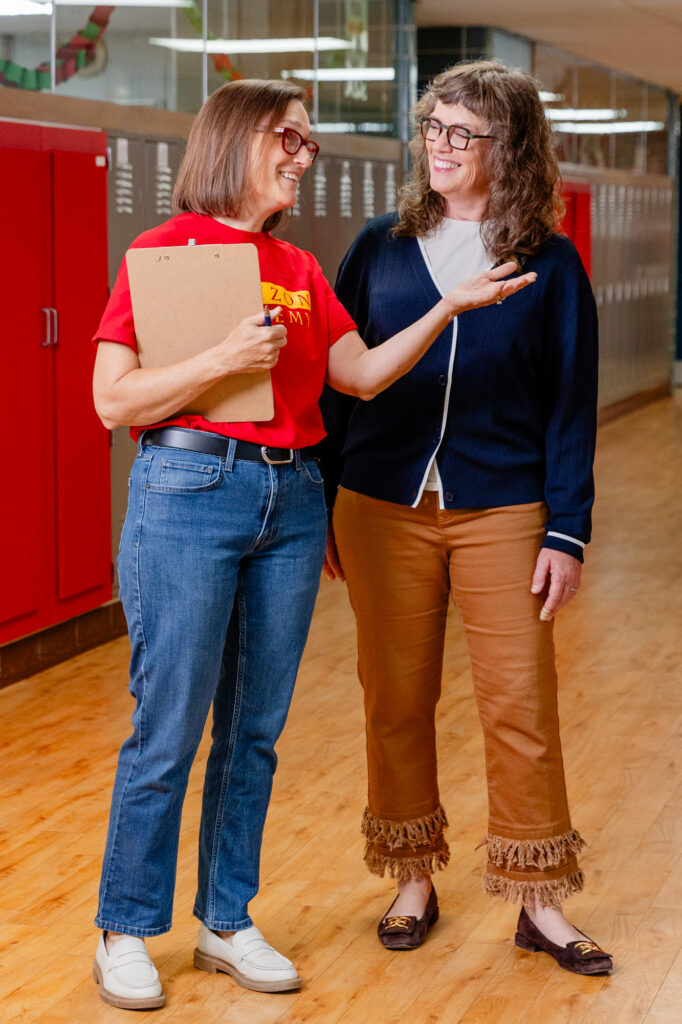
Horizon Academy is a school specifically for students with dyslexia and other language-based learning disabilities, using evidence-based approaches like the Orton-Gillingham Approach, the Multisensory Math Approach, the Writing Revolution Approach, and executive function skill building.
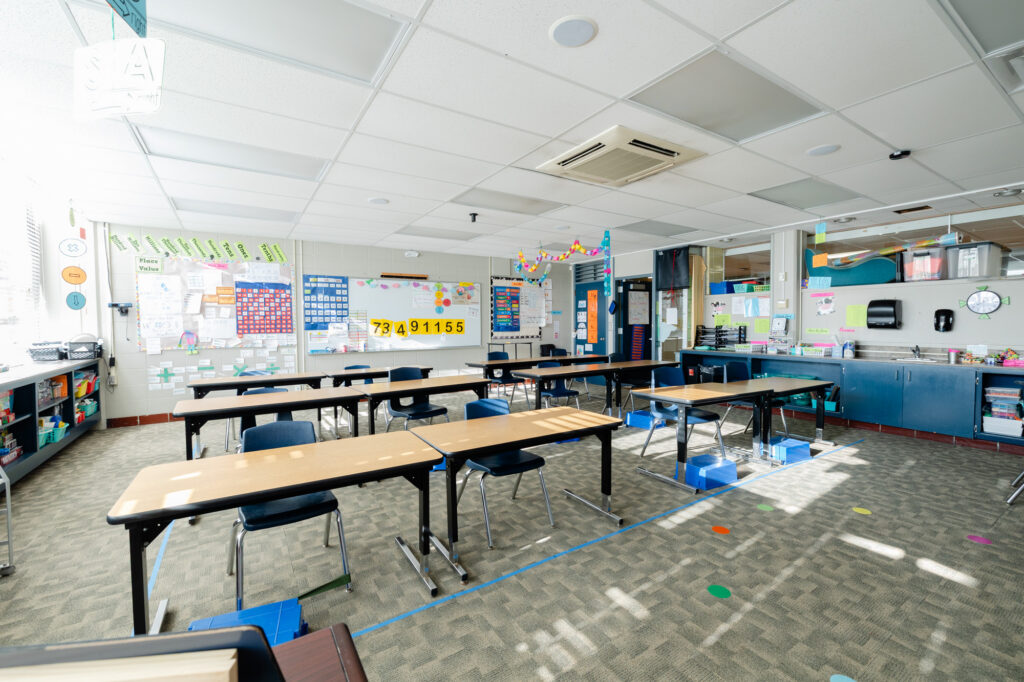
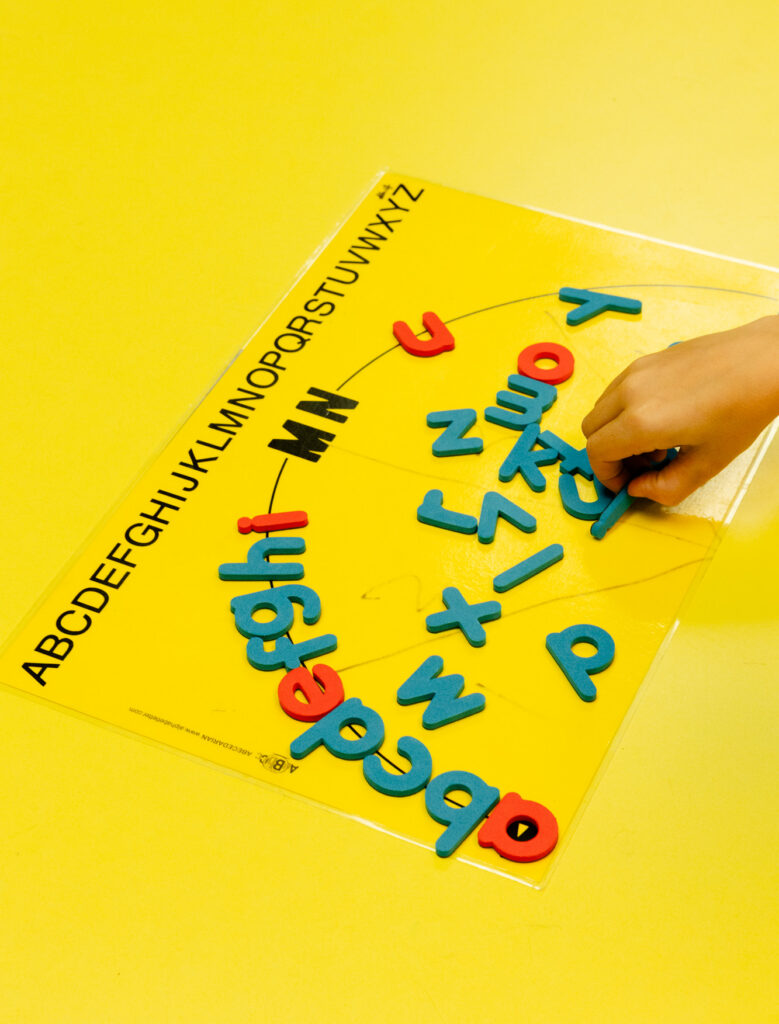
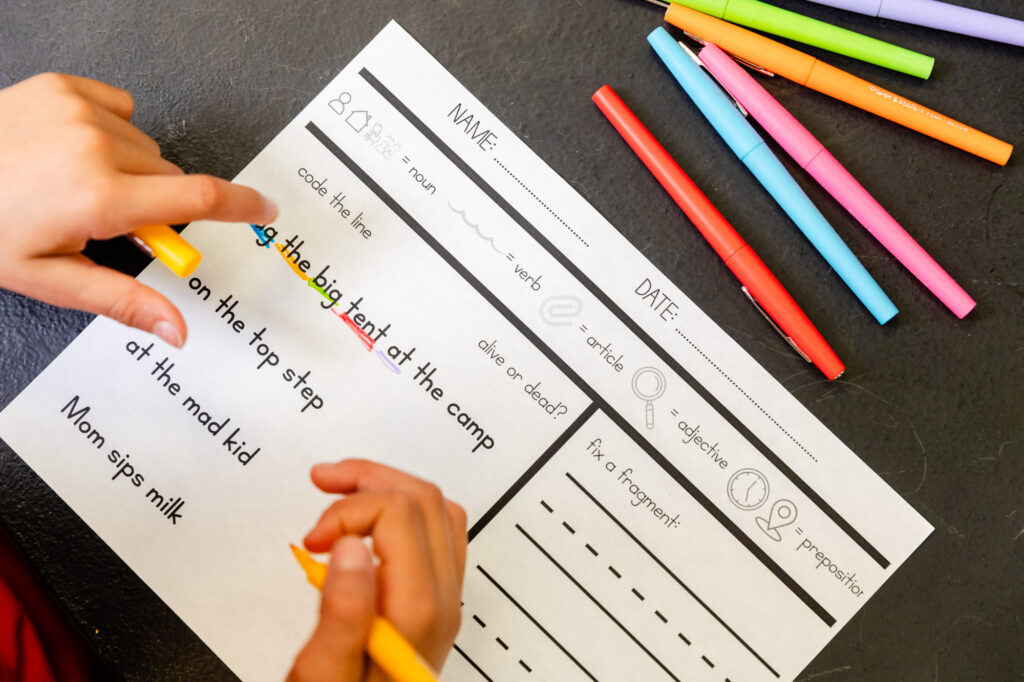
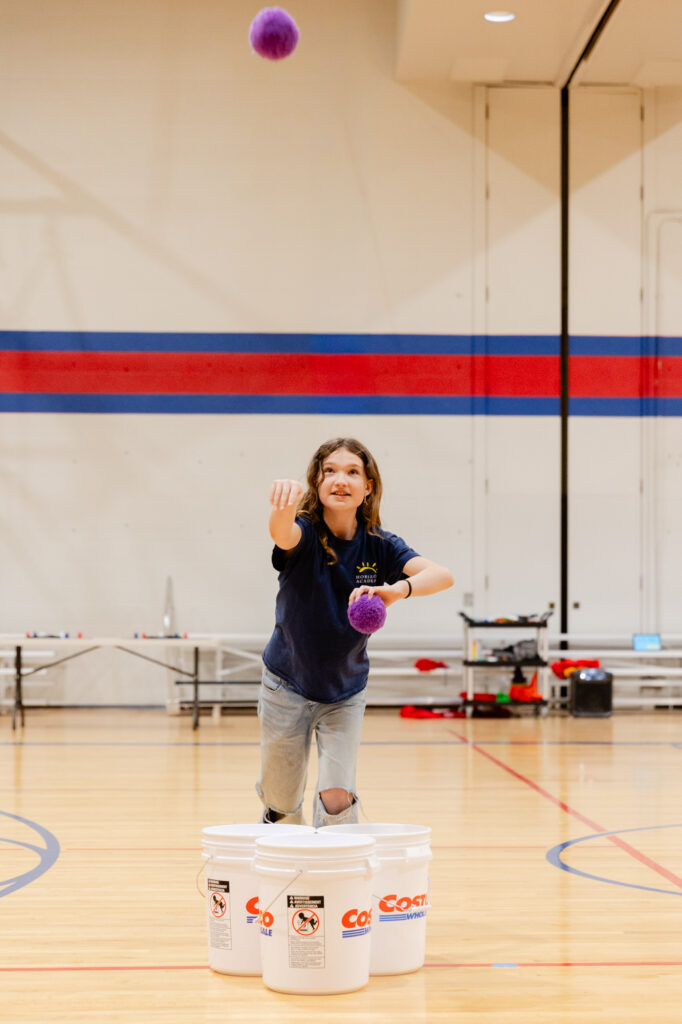
Take note of any consistent struggles with reading, writing, spelling, math, or school-related frustrations.
Talk with teachers, specialists, or educational professionals about the challenges your child is experiencing.
Professional testing and assessments can help identify your child’s learning differences, strengths, and needs.
With specialized instruction and the right environment, students with dyslexia can build confidence and thrive in the classroom.
Horizon Academy offers comprehensive educational testing services designed to help families better understand common signs of dyslexia in children. Our on-site evaluations support children, teens, and young adults who may struggle academically because of language-based learning disabilities.

Every evaluation begins with an initial consultation and online inquiry form. From there, our school psychologist customizes the testing process, so families receive clear, actionable recommendations that support long-term academic success.
A more in-depth assessment that evaluates academic achievement, cognitive functioning, learning strengths and needs, and indicators of dyslexia, dysgraphia, and/or dyscalculia while providing detailed recommendations and guidance on classroom accommodation.
Our testing services can help:
Horizon Academy evaluations may assess:
While many learning differences can overlap with other conditions, Horizon Academy does not currently provide evaluations for:
Dr. Tiffany Arrington serves as Horizon Academy’s school psychologist and leads all educational evaluations. She discovered her passion for helping students while working in residence life at the University of Kansas, where she gained firsthand insight into the academic and personal skills students need to succeed.
Dr. Arrington has years of experience working in the Blue Valley School District, Olathe Therapeutic Day School, and private practice before joining Horizon Academy full-time in 2020. She holds a bachelor’s degree in psychology, a master’s degree in counseling, an educational specialist degree, and a doctorate from the University of Kansas.
Dr. Arrington has a strong understanding of the signs of dyslexia in children. She provides thoughtful, individualized evaluations that help families better understand their child’s learning profile and next best steps for their success.