

We measure achievement by how safe and eager your child feels at school, replacing academic anxiety with authentic curiosity.
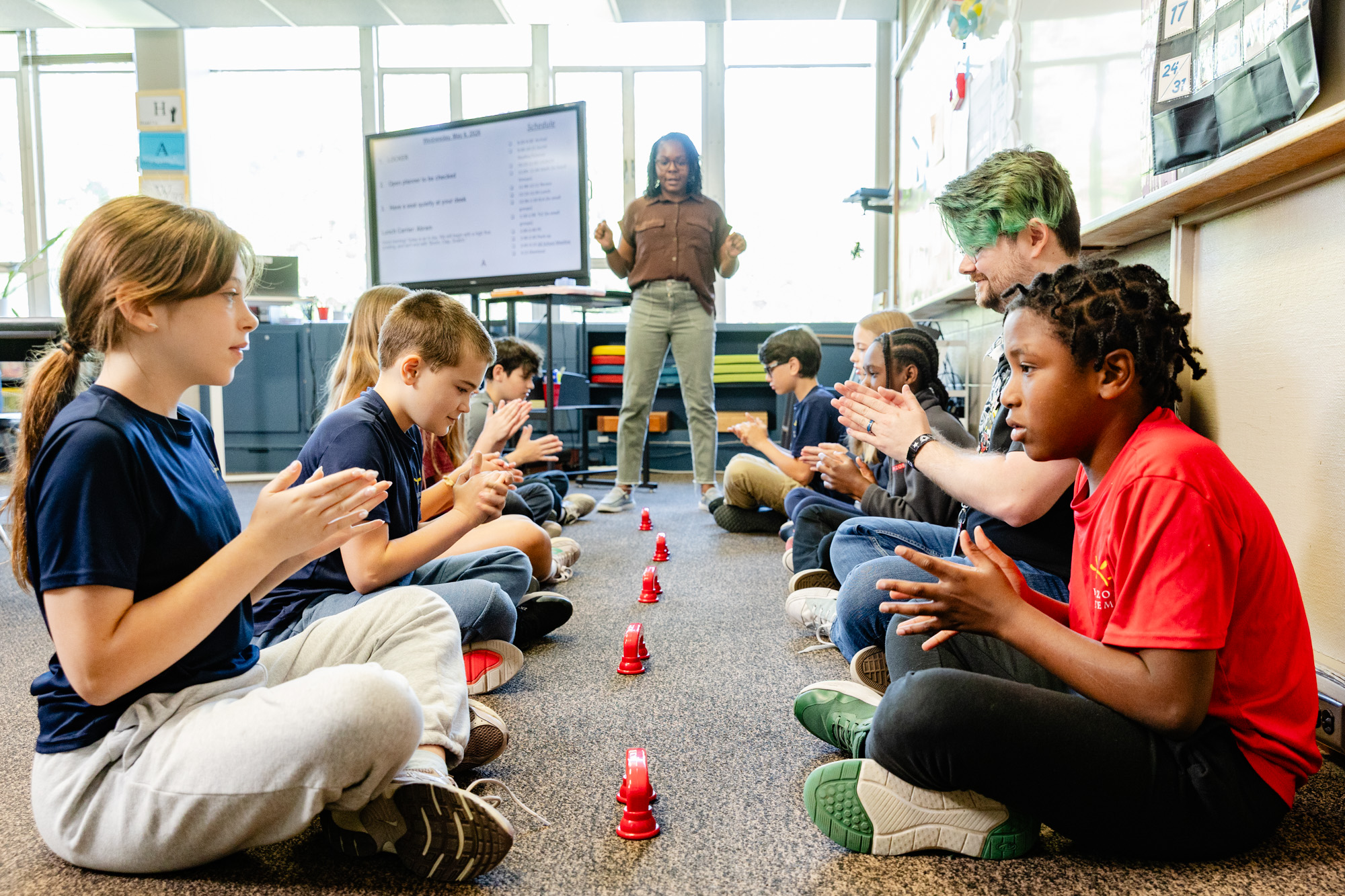
- Individualized instruction
- Classroom skills
- Multisensory approach
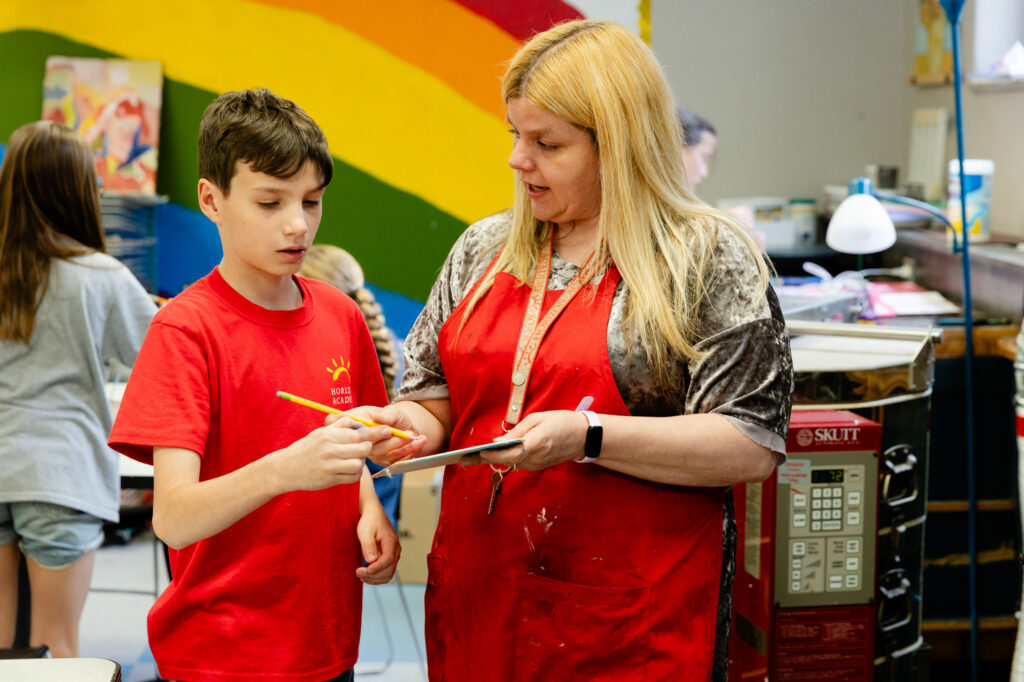
Intermediate School at Horizon Academy
Program Overview
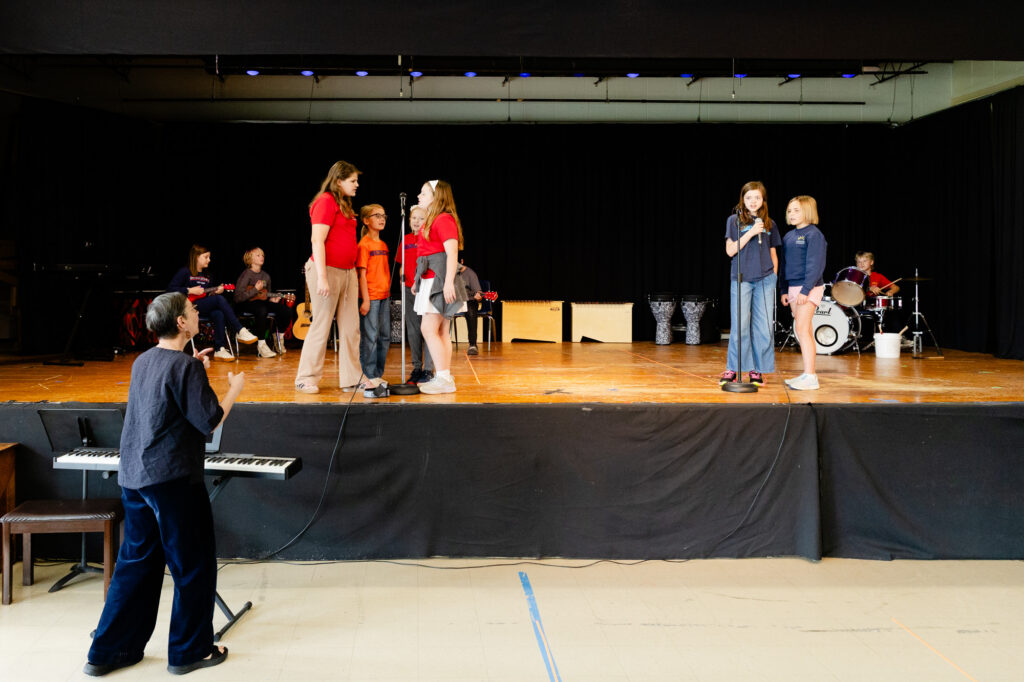
Learning Without Limits
Some children thrive in certain areas and may require additional support in others. At Horizon Academy, our individualized learning plans and classroom environments ensure that every child with dyslexia, dysgraphia, and/or dyscalculia gets the education they need.
Academic Curriculum
Learn More about
Reading, Spelling, and Writing
Learn More about
Multisensory Math
Learn More about
Social Sciences
Learn More about
STEM
Learn More about
Fine Arts
Learn More about
Technology and Digital Literacy
Learn More about
Ancillary Services
Learn More about
Speech and Language Therapy
Learn More about
Occupational Therapy
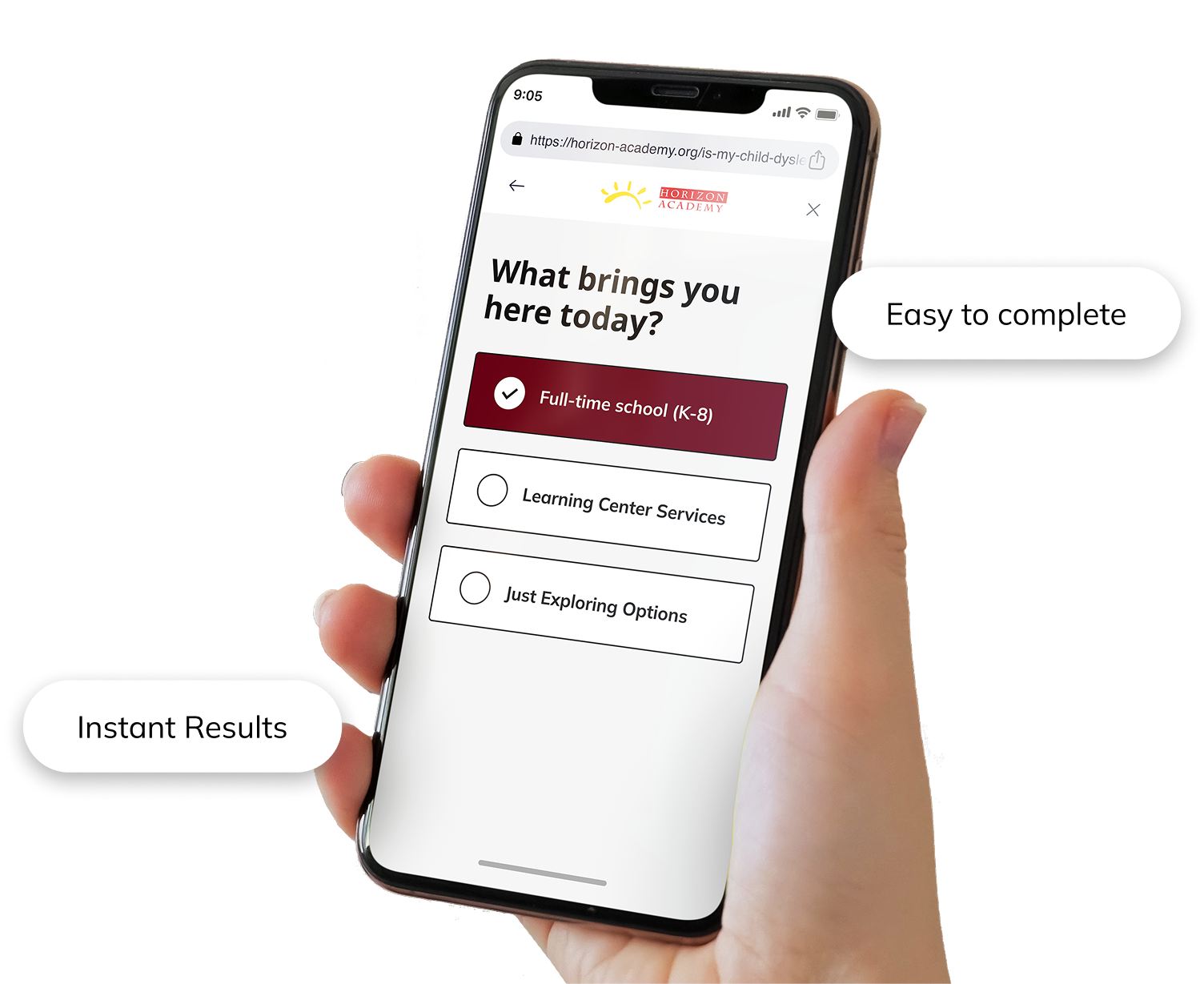
Discover Whether Your Child Qualifies
Share a little about your child, and we’ll help you explore the best next steps for your family.



Eligibility
Is Your Child Eligible?
Early Intervention
01
Cognitive profiles vary from student to student, prompting our staff to assist families as challenges surface. Providing intervention during these crucial adolescent years builds a framework for middle school.
Complex Diagnoses
02
While our educators possess the training to assist students navigating intricate, multi-layered diagnoses, our intermediate school for dyslexia, dysgraphia, and/or dyscalculia does not include specialized Autism Spectrum Disorder programming.
Co-Occurring ADHD
03
Many neurodivergent adolescents manage attention deficits that can further complicate their studies. We integrate executive function skill-building across all subjects to keep students anchored and organized.
A Day in Intermediate School
1
Focused Learning Spaces
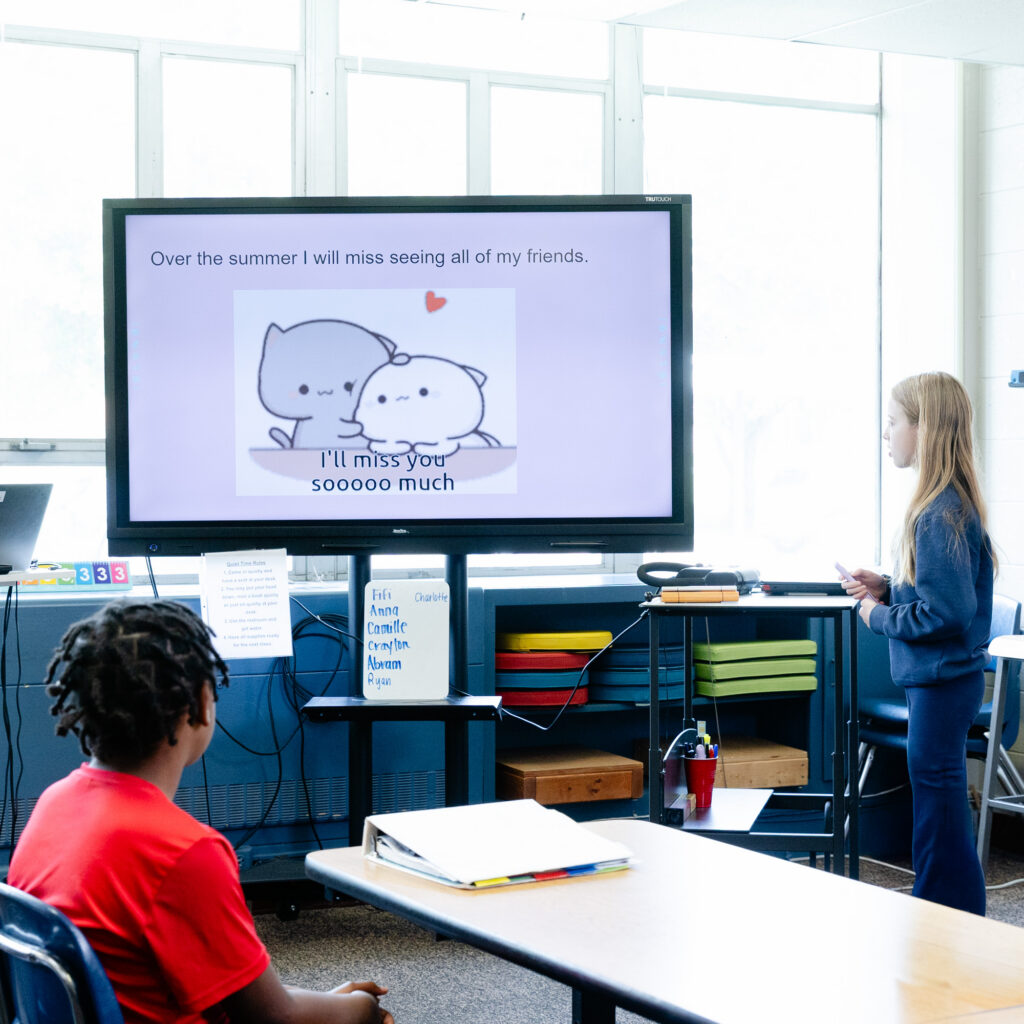
Operating with our students in mind, we minimize classroom disruptions to maximize engagement. We cultivate intentional, predictable spaces where adolescents feel secure participating.

2
Meaningful Connections
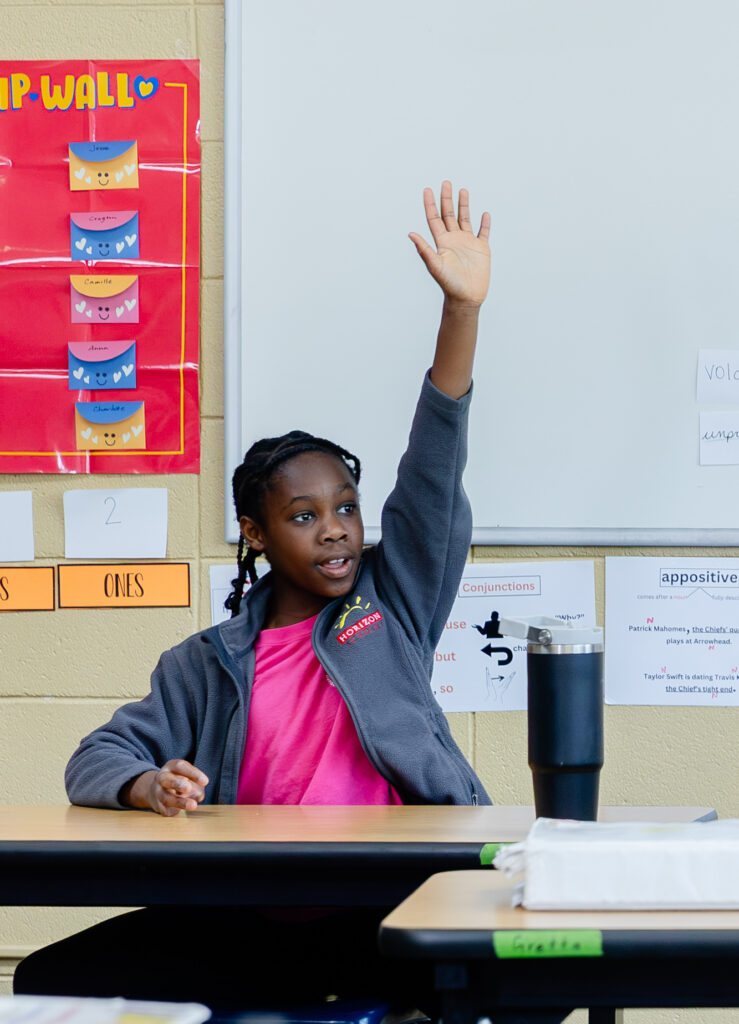
Social growth accelerates when students work with peers who share similar processing styles. Our inclusive campus culture promotes mutual respect, so every student feels valued.

3
Project Mapping
Because working memory hurdles can disrupt multi-step projects, our teachers model how to break down long-term deadlines, organize notes, and track daily progress.

4
Honoring Personal Growth
Whenever a student grasps a challenging concept, our intermediate school for dyslexia celebrates that victory and reinforces critical thinking skills.


Measuring Progress
True belonging occurs when adolescents form bonds within a community that truly understands their intellectual perspective.
Breakthroughs happen when a concept clicks into place, signaling that our specialized teaching frameworks match your child’s cognitive style.
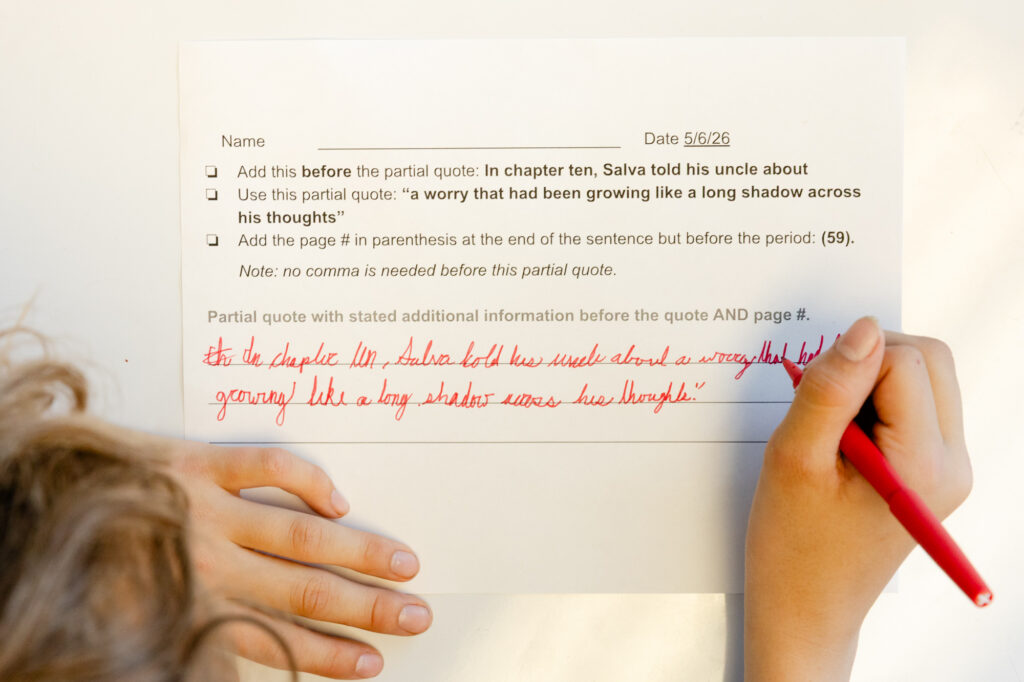
Real growth goes far beyond rote memorization, which is why we encourage students to apply their new learning strategies in real-world scenarios.
Standardized data points tell a partial story, which is why our tracking incorporates your child’s emotional maturity, confidence, and mental health.


Hear From Parents Like You
Frequently Asked Questions
For literacy, spelling, and handwriting, we use the structured, multisensory principles of the Orton-Gillingham Approach alongside the text-construction strategies from The Writing Revolution. When teaching mathematics, we shift away from abstract memorization and implement Multisensory Math, which pairs physical manipulatives with visual examples. Because our intermediate school for dyslexia marks a major transition in a child’s academic independence, we weave executive function skill-building directly into every subject area.
Grades 4 through 6 represent a critical developmental window. During these years, schoolwork shifts rapidly from “learning to read and count” to “reading and calculating to learn.”
If a child lacks foundational tools, the academic gap widens, leading to school anxiety. By intervening during the intermediate years, we give students the strategies they need to master complex paragraph writing, multi-step word problems, and independent study habits before they enter the faster pace of middle school and high school.
It’s common for students with learning disabilities that impact reading, writing, and math to also experience executive dysfunction or attention deficits. Rather than treating these challenges as obstacles to learning, we teach students how to manage them. Our teachers model how to break down multi-step assignments, organize physical and digital materials, and self-regulate focus throughout the day.