



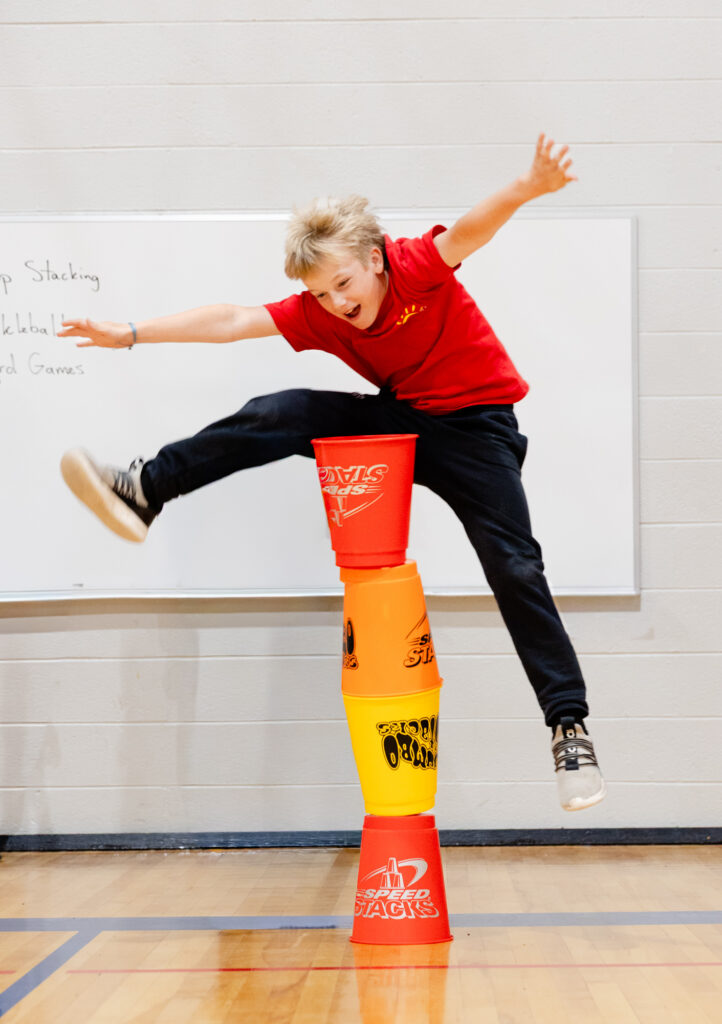





Typically, we work with students ages 6 to 18. We tailor our evaluations to each developmental stage, so results are relevant and useful. Families searching for dyslexia testing often come to us during these key transition points because clear insight can make a meaningful difference in a child’s academic path.

Why Families Seek Testing
Providing Optimal Education
Sometimes, students struggle in school, and it can be difficult to find out why. Testing can make it easy to discover what learning difficulties could be potentially affecting your child. From there, the real journey toward specialized education and resources can begin.



Testing Services We Offer
Comprehensive Evaluation – $2,500
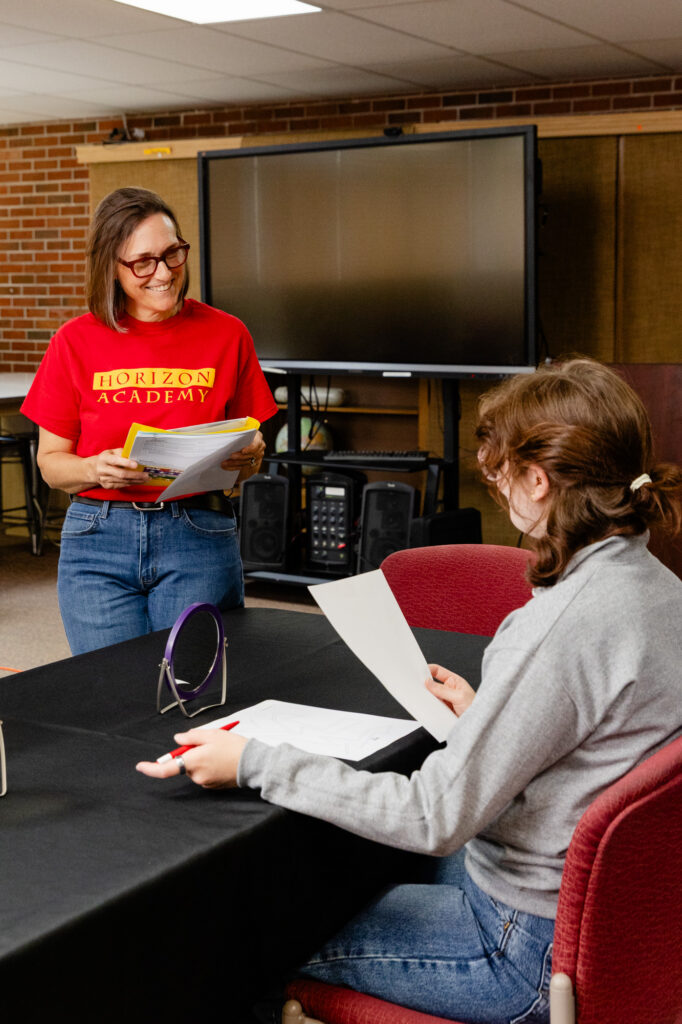
A more in-depth assessment that evaluates academic achievement, cognitive functioning, learning strengths and needs, and indicators of dyslexia, dysgraphia, and/or dyscalculia while providing detailed recommendations and guidance on classroom accommodation.
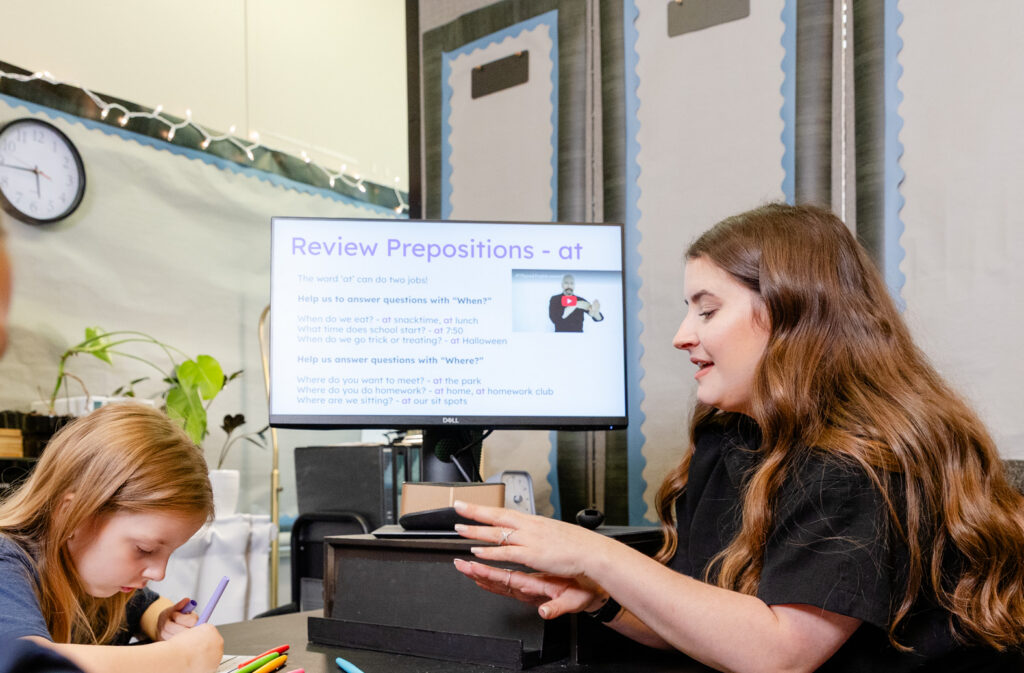
Thoughtful, Thorough Testing
Process Overview
- Initial parent consultation
- Comprehensive testing sessions
- In-depth analysis and scoring
- Personalized feedback meeting
- Written report with recommendations
Focus Areas
Learn More about
Reading Skills
Learn More about
Written Expression
Learn More about
Math Reasoning
Learn More about
Executive Function
Learn More about
Cognitive Abilities
Our Approach
At Horizon Academy, our assessments go beyond surface-level results. We take the time to understand your child’s overall learning profile. Our evaluations inform meaningful, individualized educational strategies rather than simply generating scores.
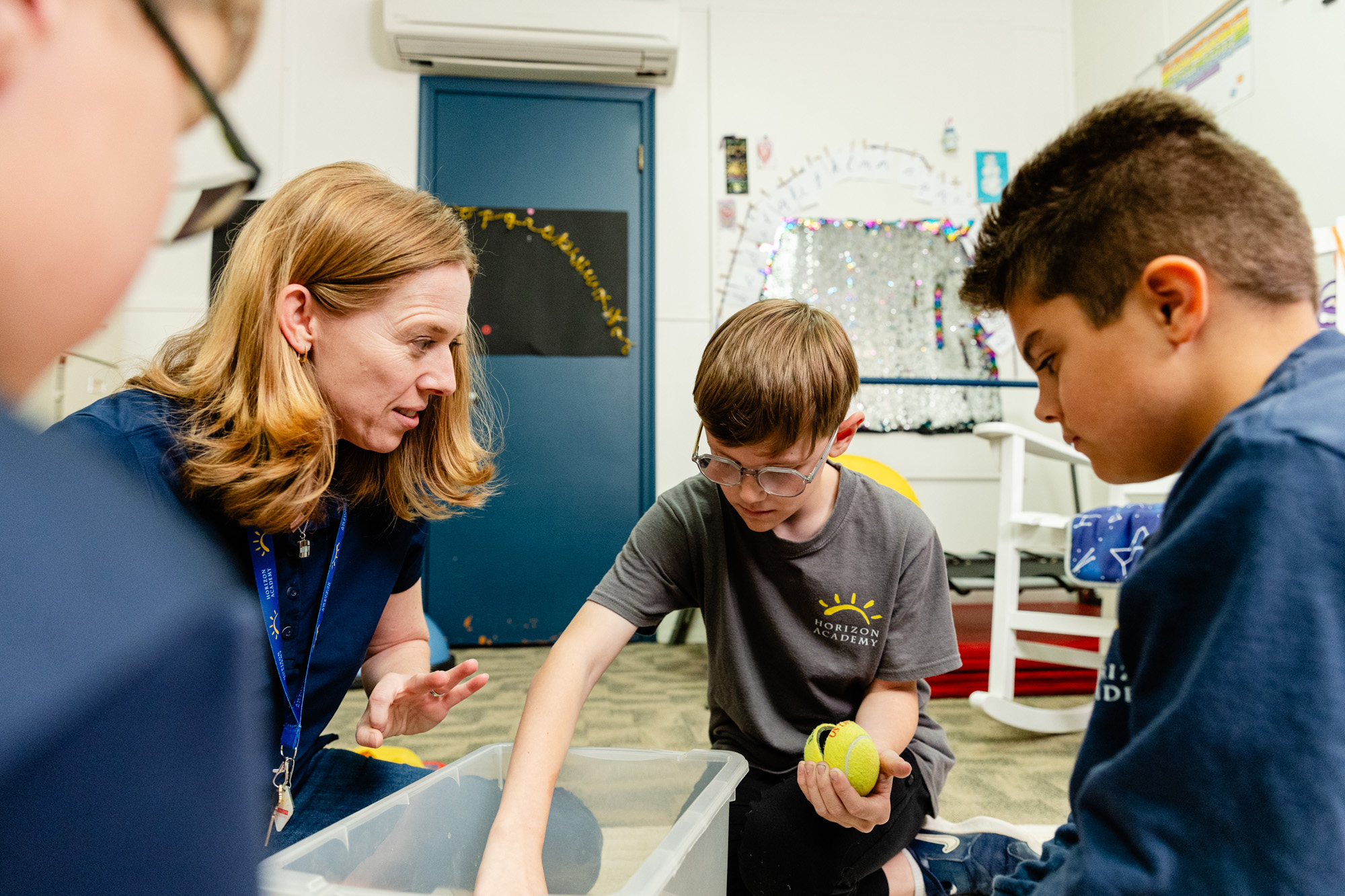
What We Evaluate
Comprehensive Insights

Developmental Background
A review of school, medical, and developmental history, including interviews to understand daily functioning and family history.

Cognitive Assessment
Measures general intellectual abilities, problem-solving, working memory, and processing speed to identify how the brain handles novel information.
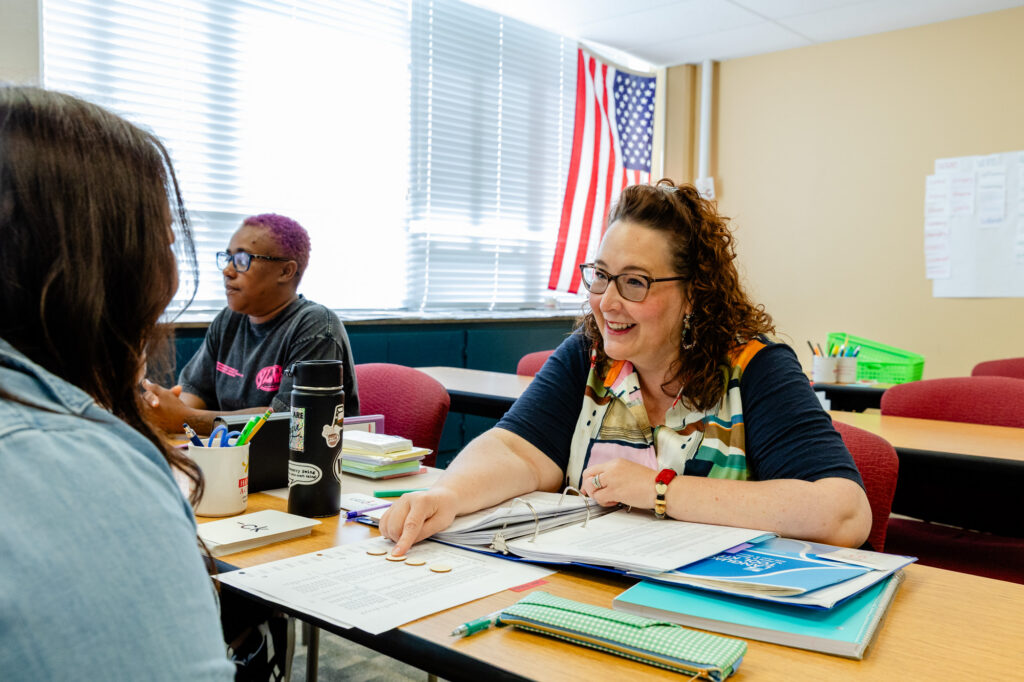
Academic Achievement Test
Assesses skill levels in reading (decoding and comprehension), writing (spelling and written expression), and math.
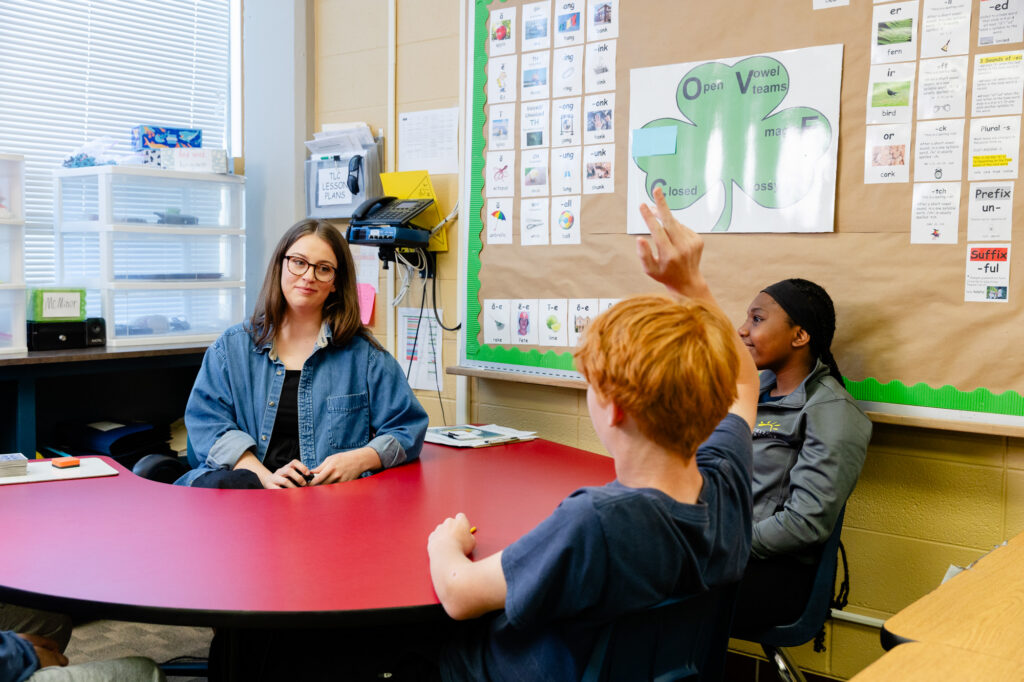
Executive Function
Tests attention, language, visual-motor skills, and executive functioning (planning, organization, and impulse control).
Is Testing Right for Your Child?
When to Consider Assessments
If your child struggles with reading, writing, math, or attention—or has a complex or unclear diagnosis—our assessments can provide clarity and a path forward tailored for dyslexia-focused learning.

Understanding Our Scope
We focus on dyslexia and related learning differences, delivering empowering education for each child.
Primary Autism Diagnosis
01
We do not provide full evaluations or programming for children who are exploring a major spectrum disorder diagnosis. In these cases, we recommend specialized providers better equipped to meet those needs.
Advanced Behavioral Needs
02
Our programs are not designed for students whose primary challenges involve significant behavioral or emotional regulation concerns that may or may not require clinical intervention.
Standalone ADHD Diagnosis
03
While we assess attention and executive function, we do not provide formal ADHD diagnoses. However, we do evaluate how attention affects learning and can better guide next steps.
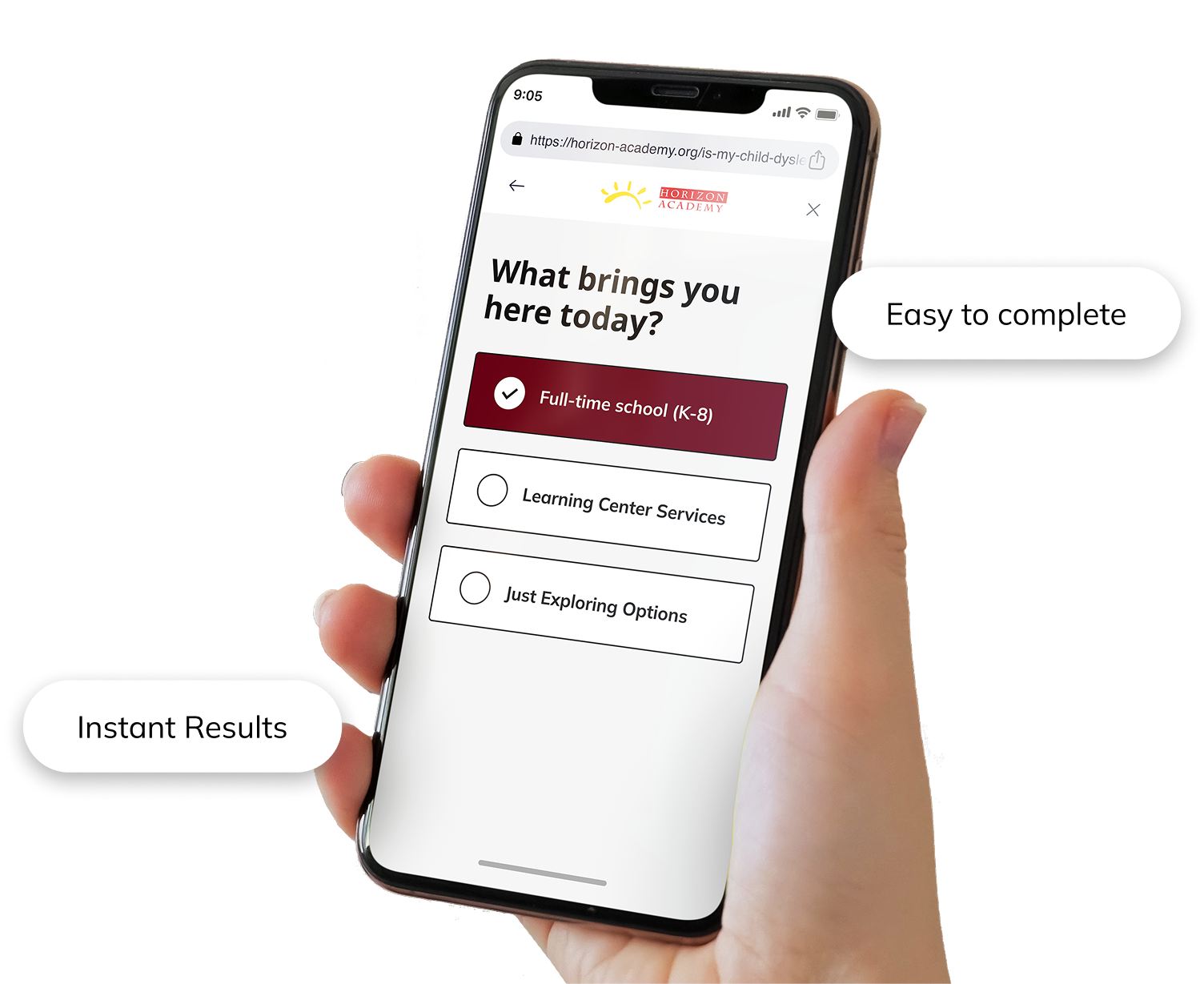
Discover Whether Your Child Qualifies
Share a little about your child, and we’ll help you explore the best next steps for your family.



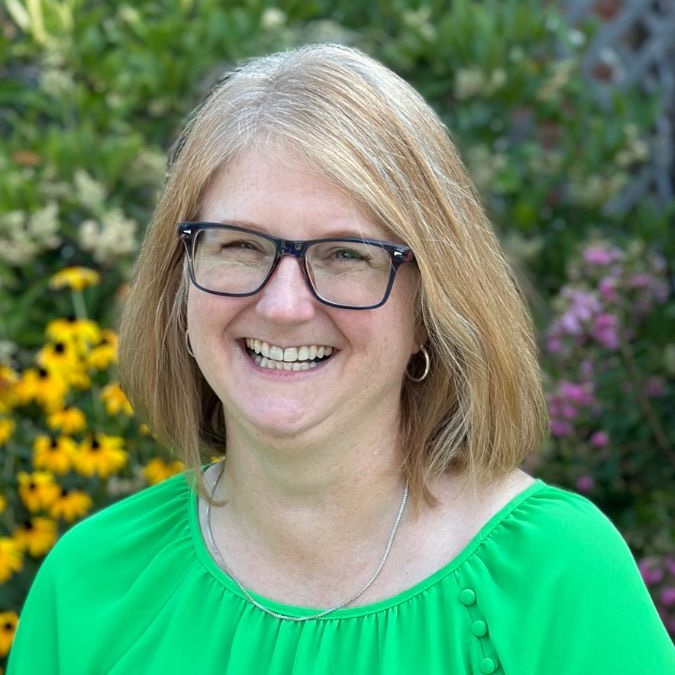
Dr. Tiffany Arrington
Our school psychologist has spent years matching children like yours with the ideal learning environment. Dr. Arrington is honored to get to meet your superpowered student!
Frequently Asked Questions
In addition to your personalized feedback meeting, every family receives a detailed written report that explains findings in clear language. This document outlines patterns observed during testing and provides practical next steps that parents can act on immediately. Many parents searching for dyslexia testing find that having a well-documented report is especially helpful when communicating with schools or other professionals.
Absolutely. Our reports are comprehensive and transferable, meaning you can share them with educators, tutors, therapists, or other specialists in your child’s support system. We encourage collaboration so that everyone working with your child has a consistent understanding of their needs and strengths.
School-based educational testing is often limited in scope and designed to determine eligibility for school-related services, rather than to understand how a child actually learns. Our dyslexia testing is more individualized and exploratory, focusing on pattern recognition, processing, and application. This allows families to walk away not just with answers, but with meaningful direction for next steps and long-term support.