Avoiding Drawing and Writing
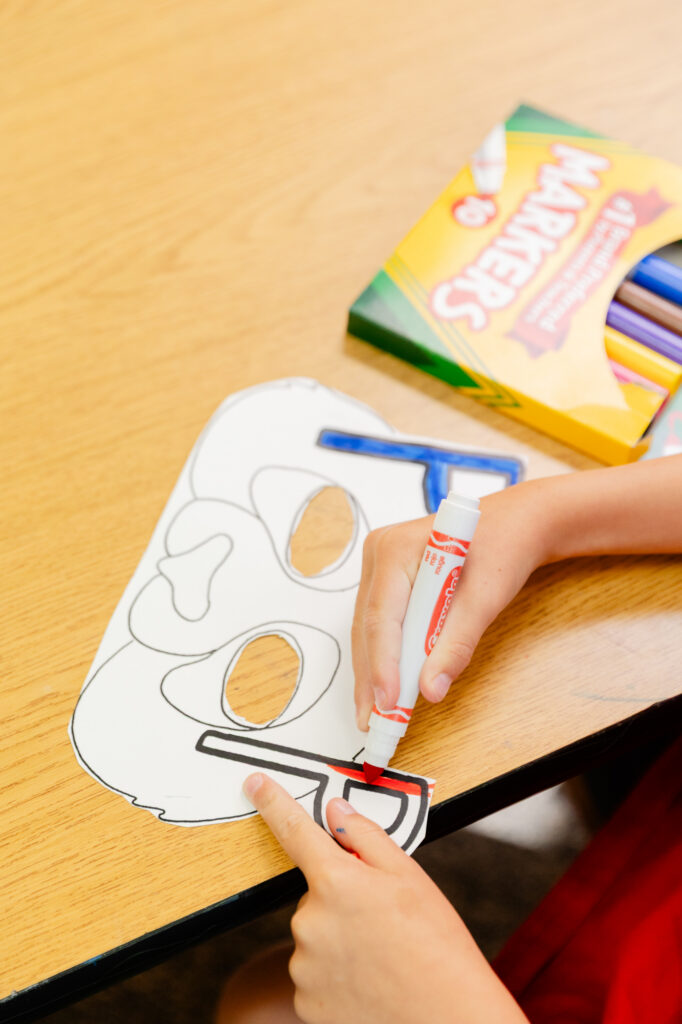
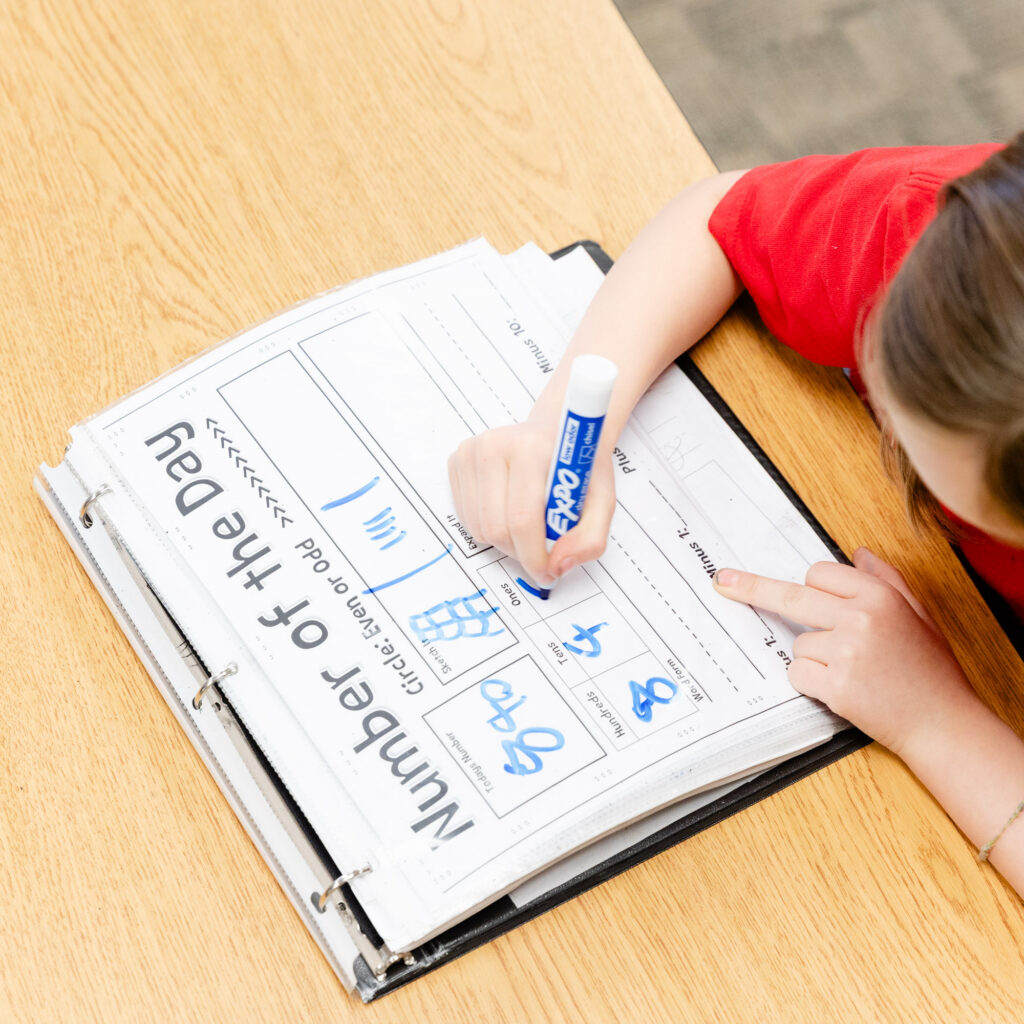
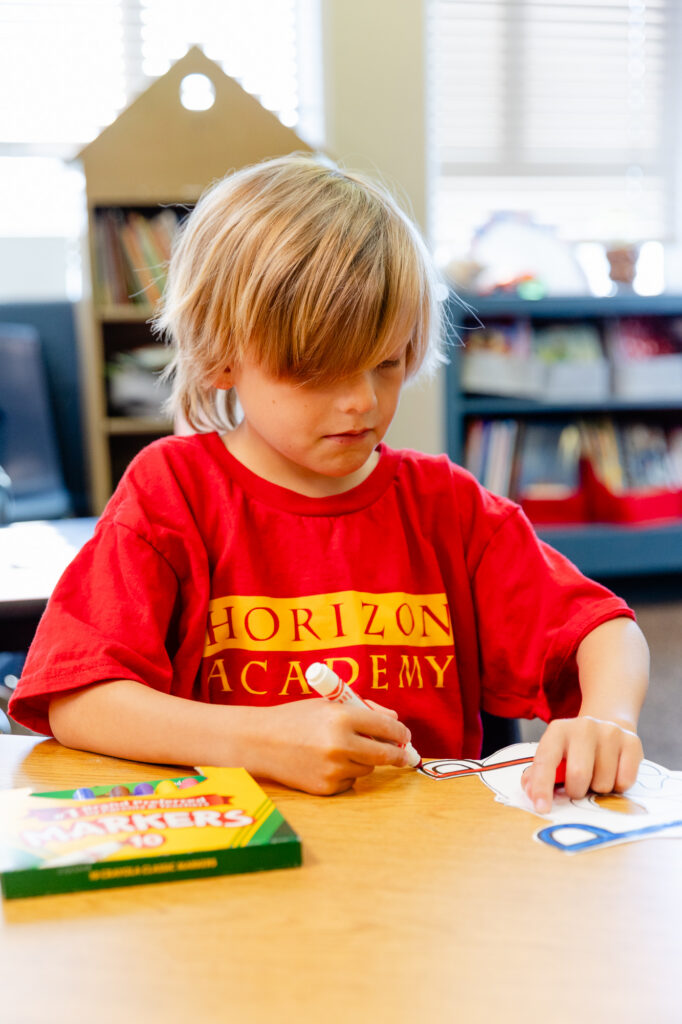
Young children may resist coloring, tracing, or cutting with scissors. They often struggle to form recognizable letters, mix up line boundaries, and complain that their hands hurt when writing.
Learn More About Our Dysgraphia Support
Writing may take immense physical and mental effort for some children, even those who are exceptionally bright. If your child avoids assignments, they might need specialized dysgraphia help. We’re ready to identify these early signs and help reduce academic anxiety.
Signs to Watch For
Spontaneous written work is highly illegible, but copied text is often clear. Spelling is poor during creative tasks, even though fine motor skills and drawing abilities remain intact.
Spontaneous writing and copied text are difficult to read. Drawing is challenging because of weak fine motor skills, a painful pencil grip, and rapid physical fatigue while holding a pen.
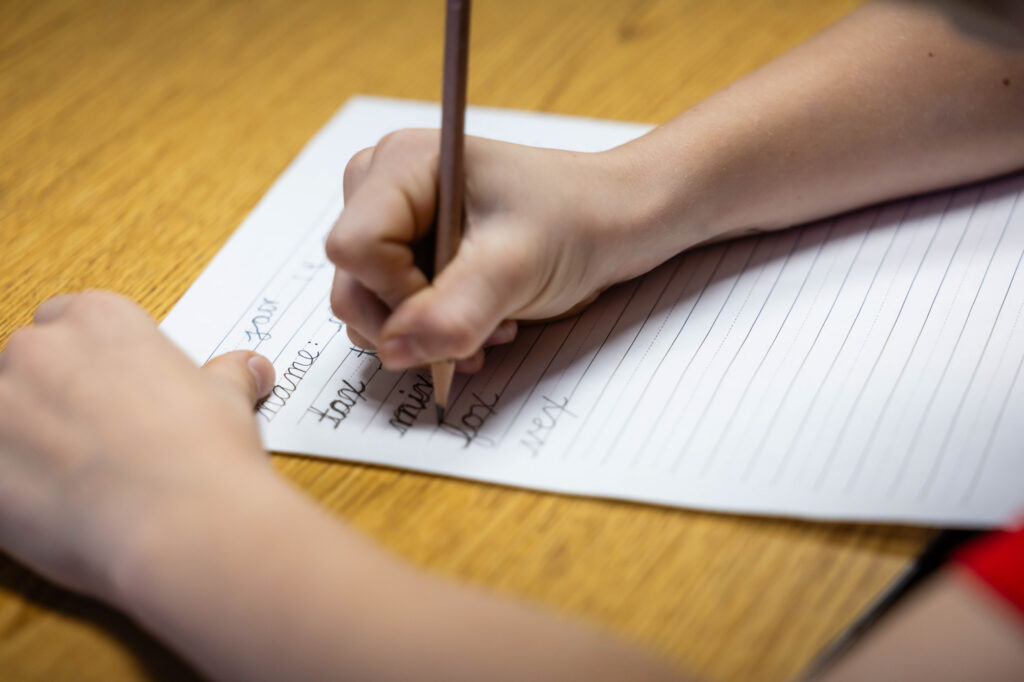
Your child struggles with the spatial layout of the page. They can’t stay inside margins, space words evenly, or keep letters aligned on lines, though their spelling skills are normal.
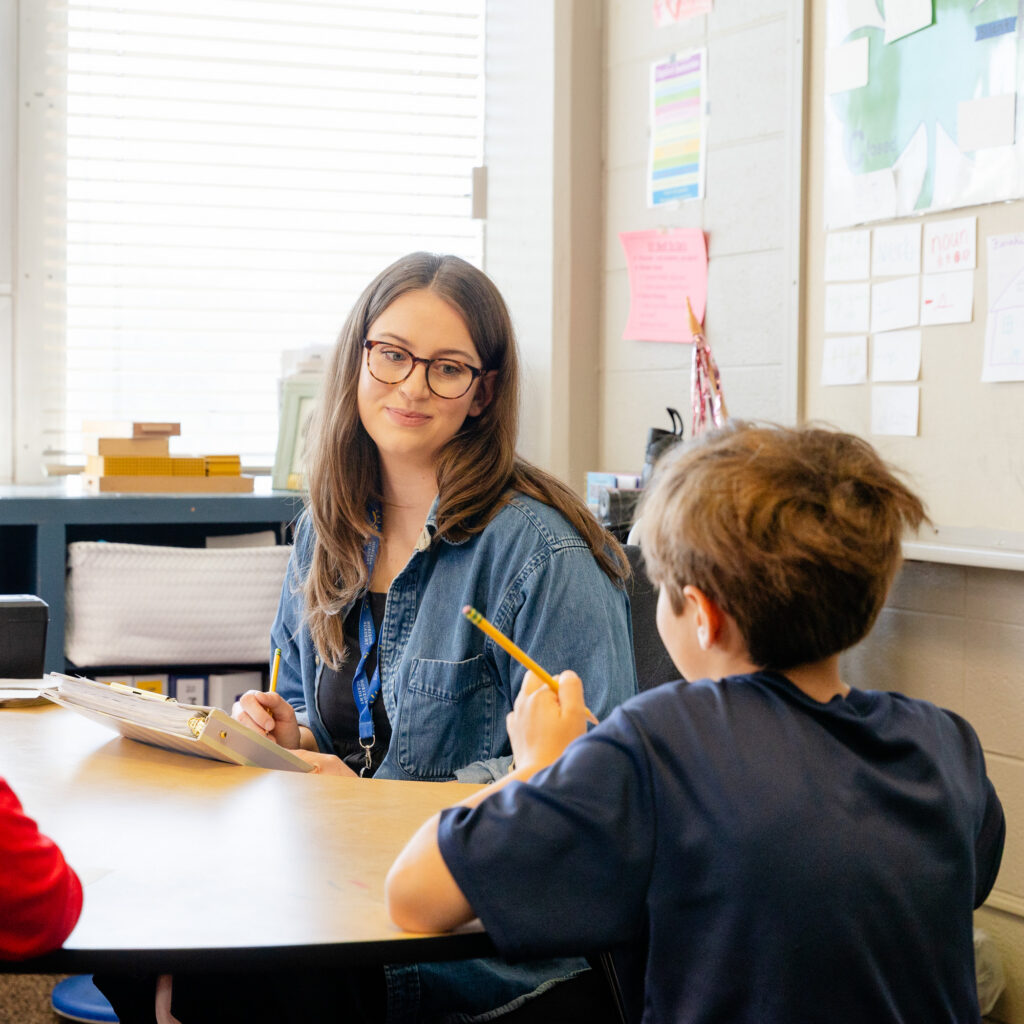
Your child holds pencils with a tight hand, leading to rapid fatigue and pain during assignments.
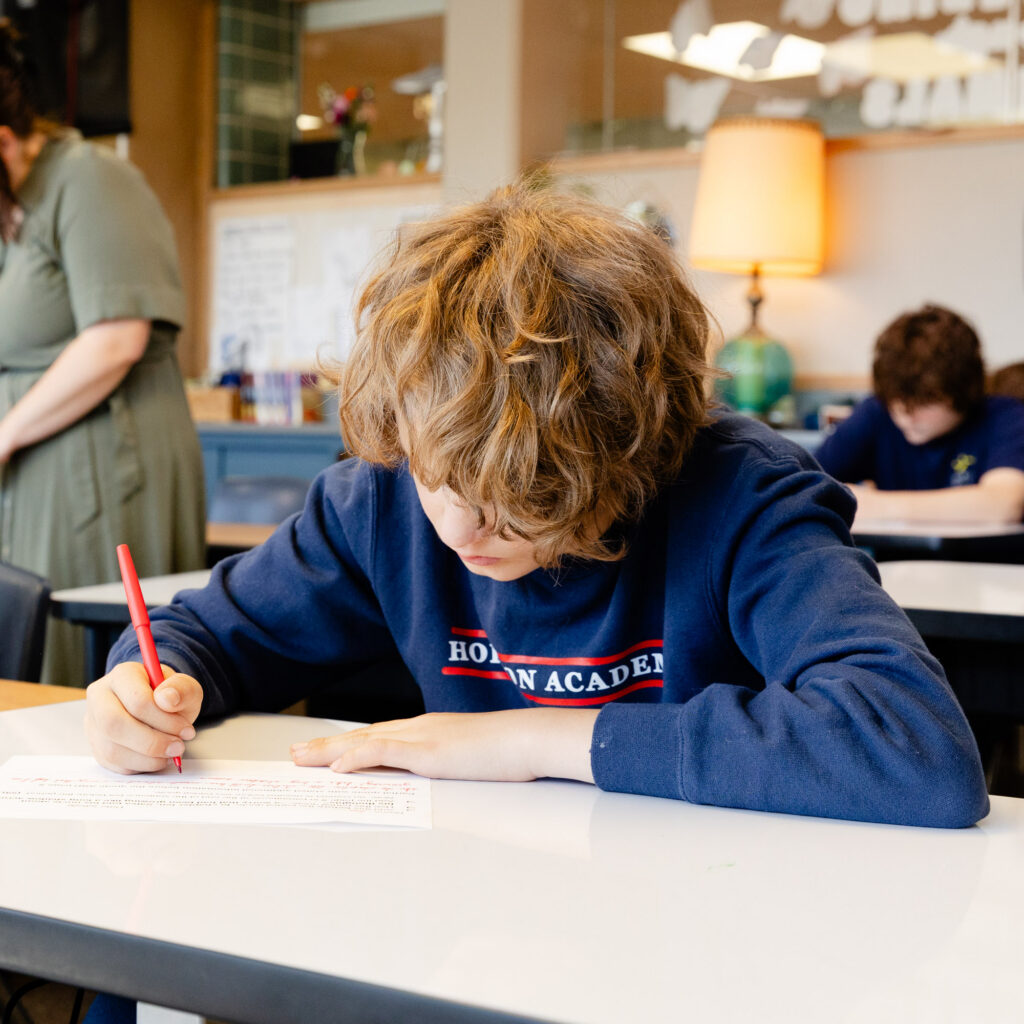
Uppercase and lowercase letters are randomly mixed in sentences with no clear grammatical patterns.
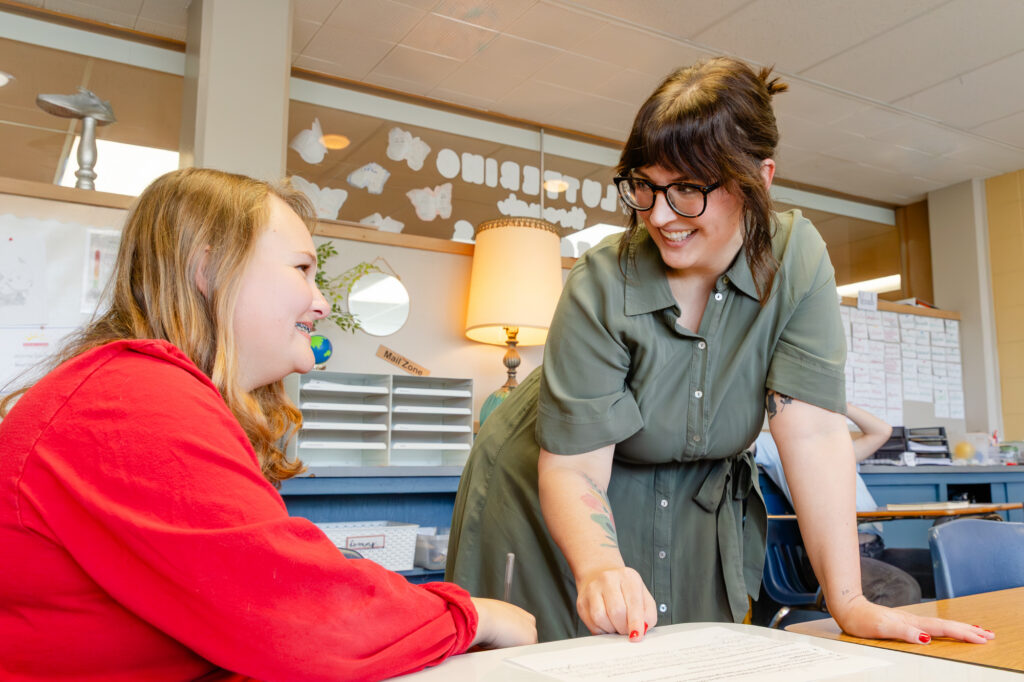
Students share incredibly detailed stories out loud but write short, simple phrases on paper.
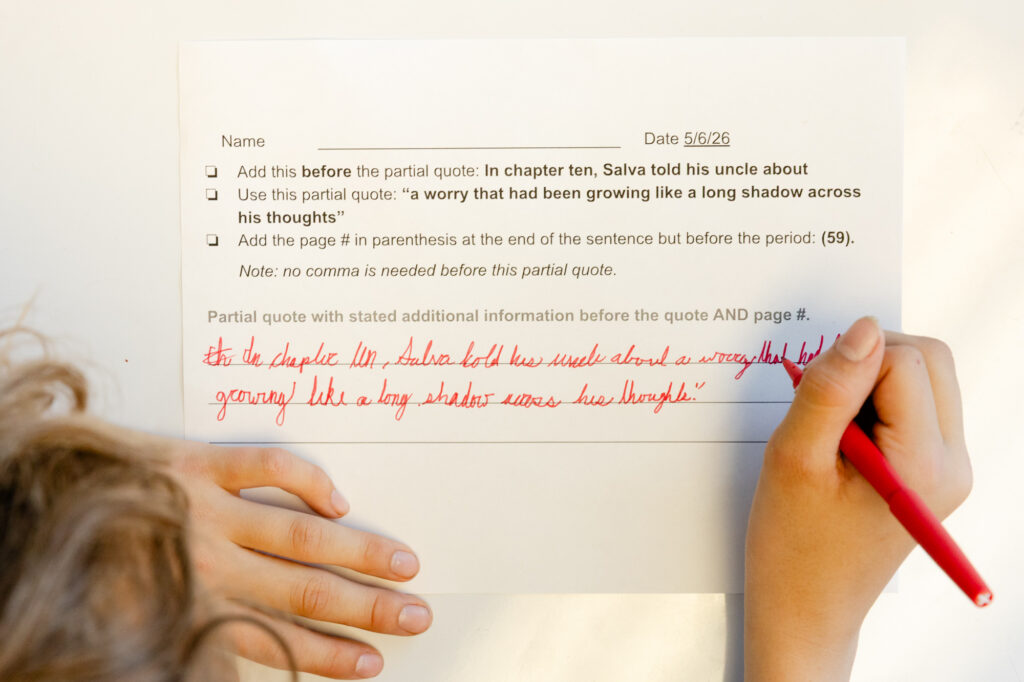
Learners leave out letters or word endings from written text because their hands can’t track their thoughts.
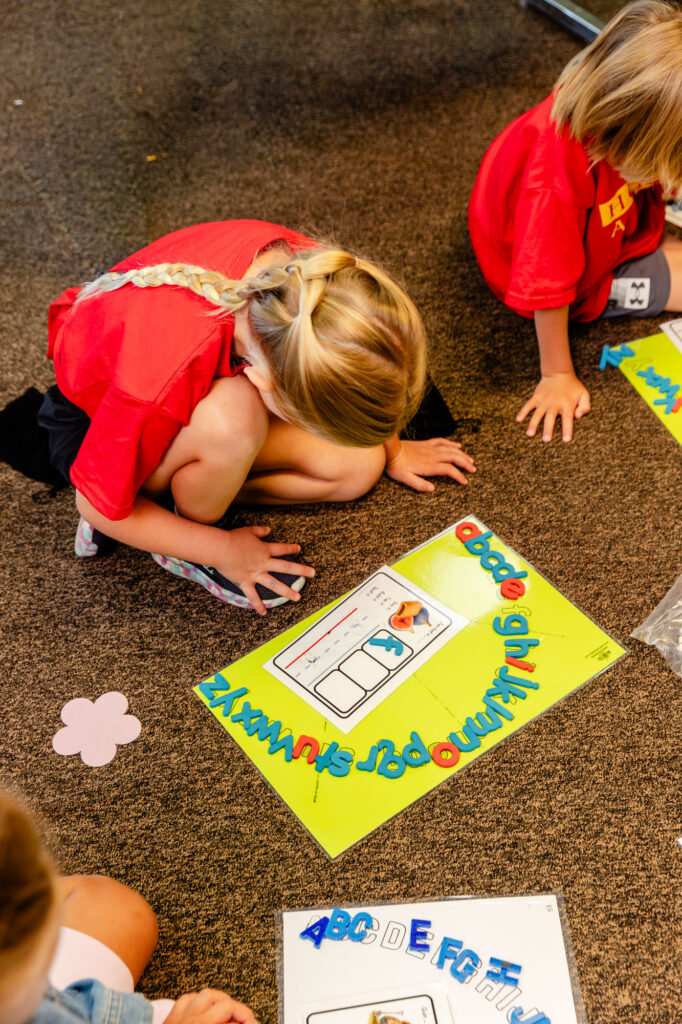


Avoiding Drawing and Writing
Young children may resist coloring, tracing, or cutting with scissors. They often struggle to form recognizable letters, mix up line boundaries, and complain that their hands hurt when writing.
Inconsistent Letter Spacing
You may notice large gaps between some words and no space between others. Text drifts down the page, margins are ignored, and self-editing becomes impossible because they can’t read their own handwriting.
Incomplete Written Thoughts
Older students fail to put complex ideas on paper. They struggle to organize multi-paragraph essays and experience severe anxiety as schoolwork gets longer, making dysgraphia help vital for their growth.
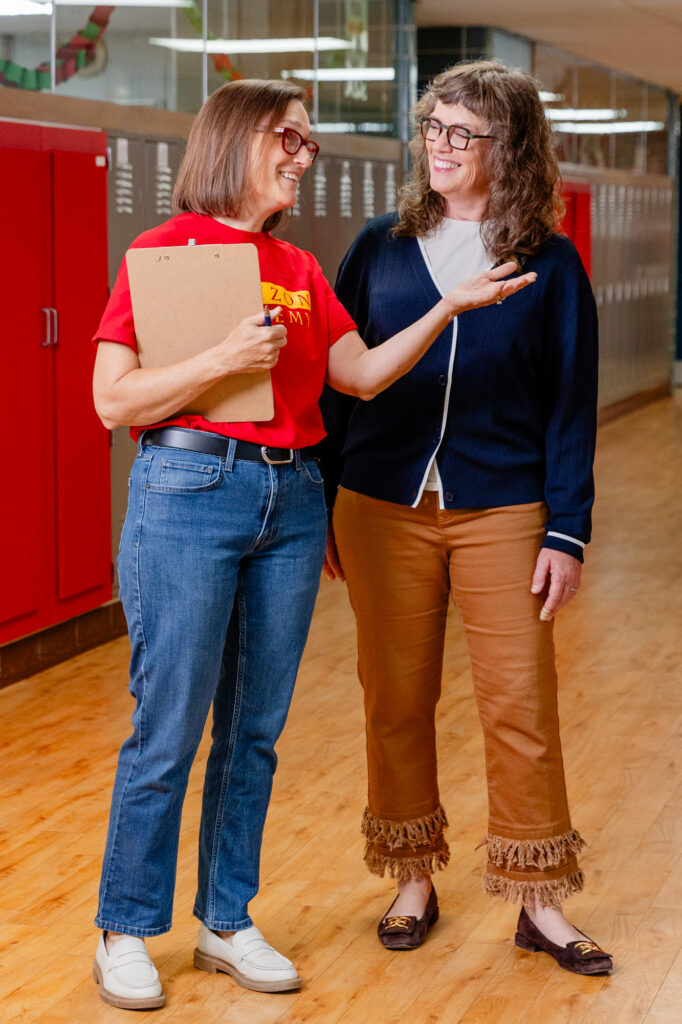
Horizon Academy is a school specifically for students with dyslexia and other language-based learning disabilities. We use evidence-based approaches, like the Orton-Gillingham Approach, Multisensory Math, The Writing Revolution, and executive function skill building.
Watch how your child writes at home and note any signs of pain.
Discuss these trends with teachers to see if writing challenges happen at school, too.
A formal assessment can pinpoint whether fine motor skills or language processing cause the block.
Choose a learning environment that builds explicit writing mechanics into every single class.