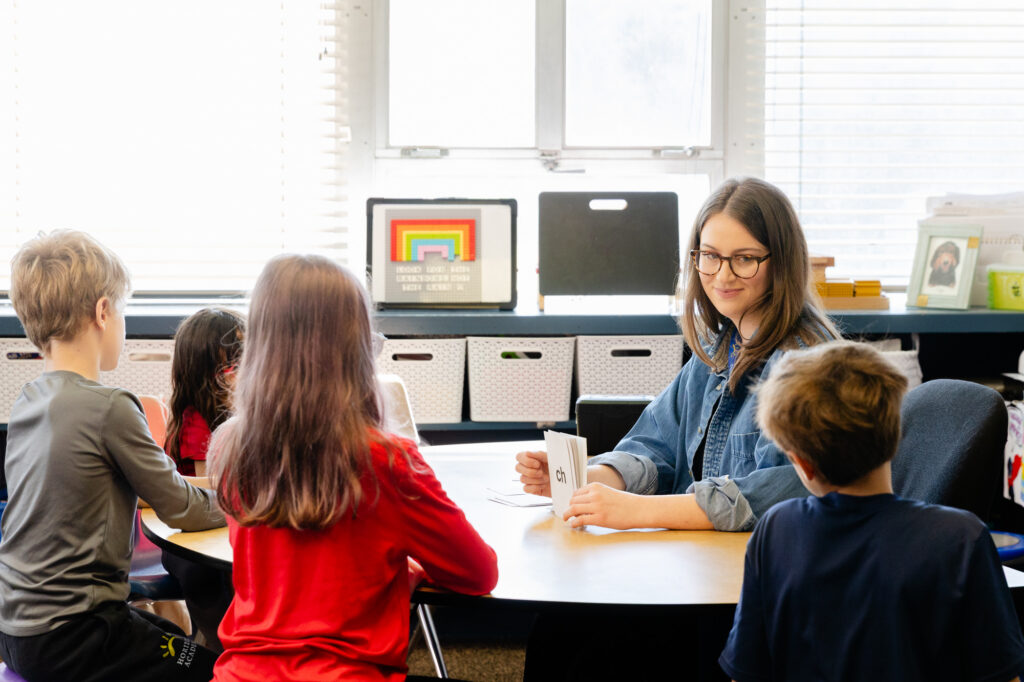
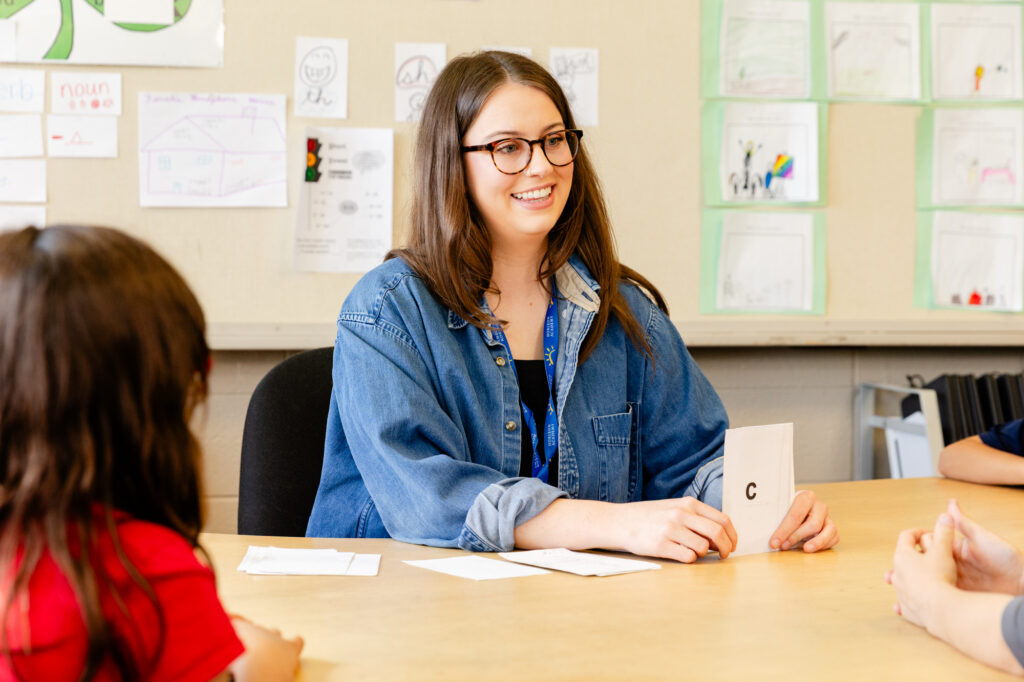
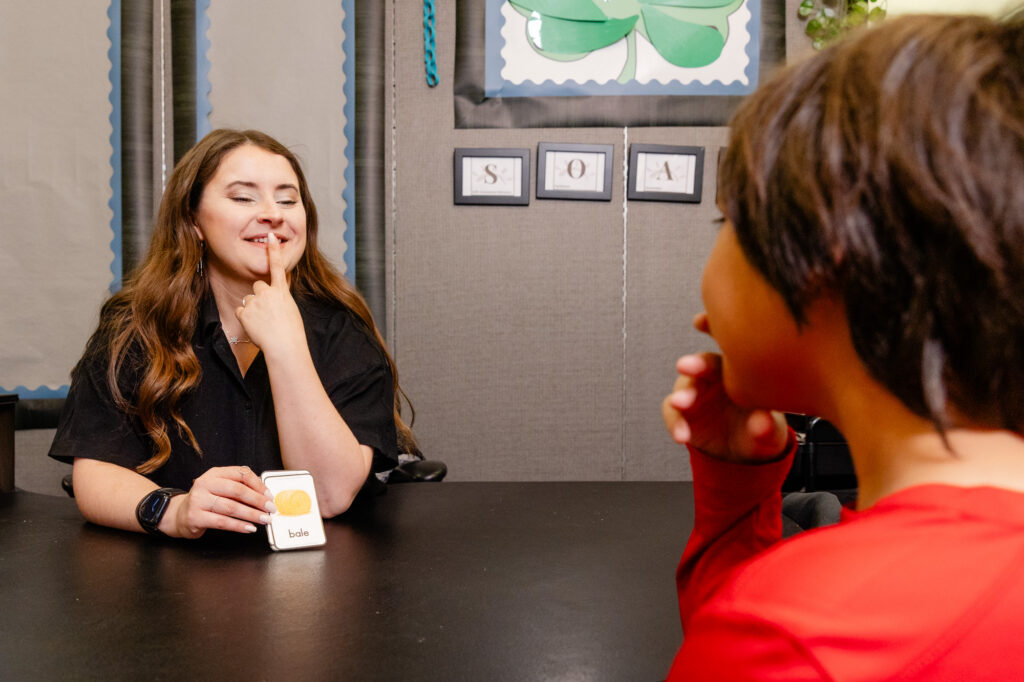

Teacher meeting one-on-one with a lower school student at a classroom table.

Dyslexia Support for Students

Learn More About Our Dyslexia Support

Assisting With Reading Concerns

Every student learns differently, but if you notice your bright child struggling with reading or falling behind their peers, it might be dyslexia. Trust your instincts as their parent, because you know them better than anyone. Early screening and dyslexia support for students can change their educational journey and restore their confidence.

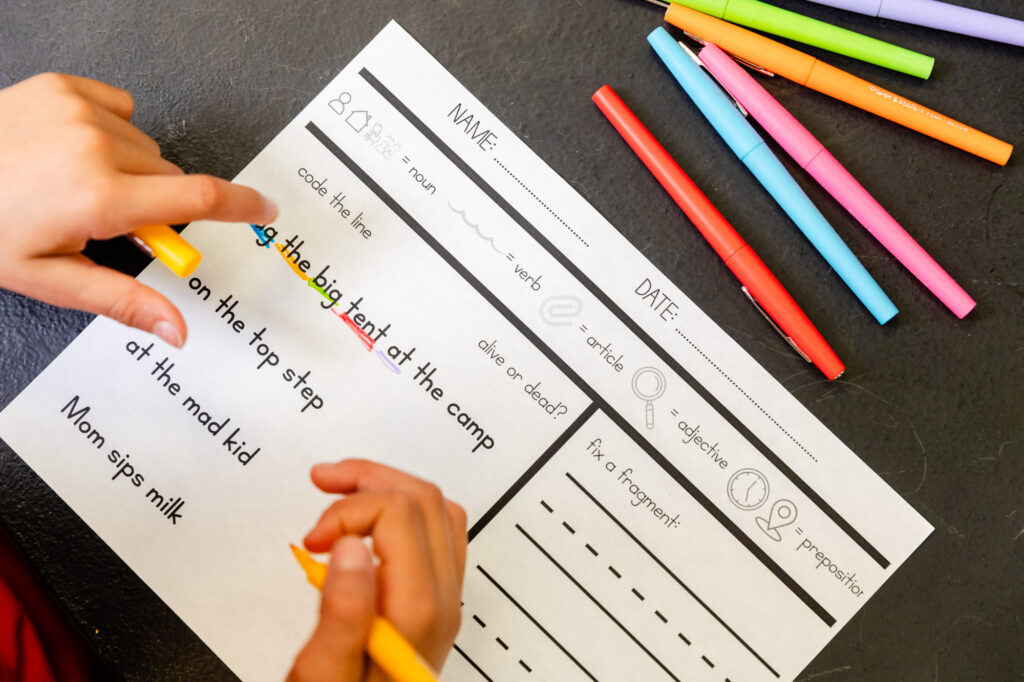
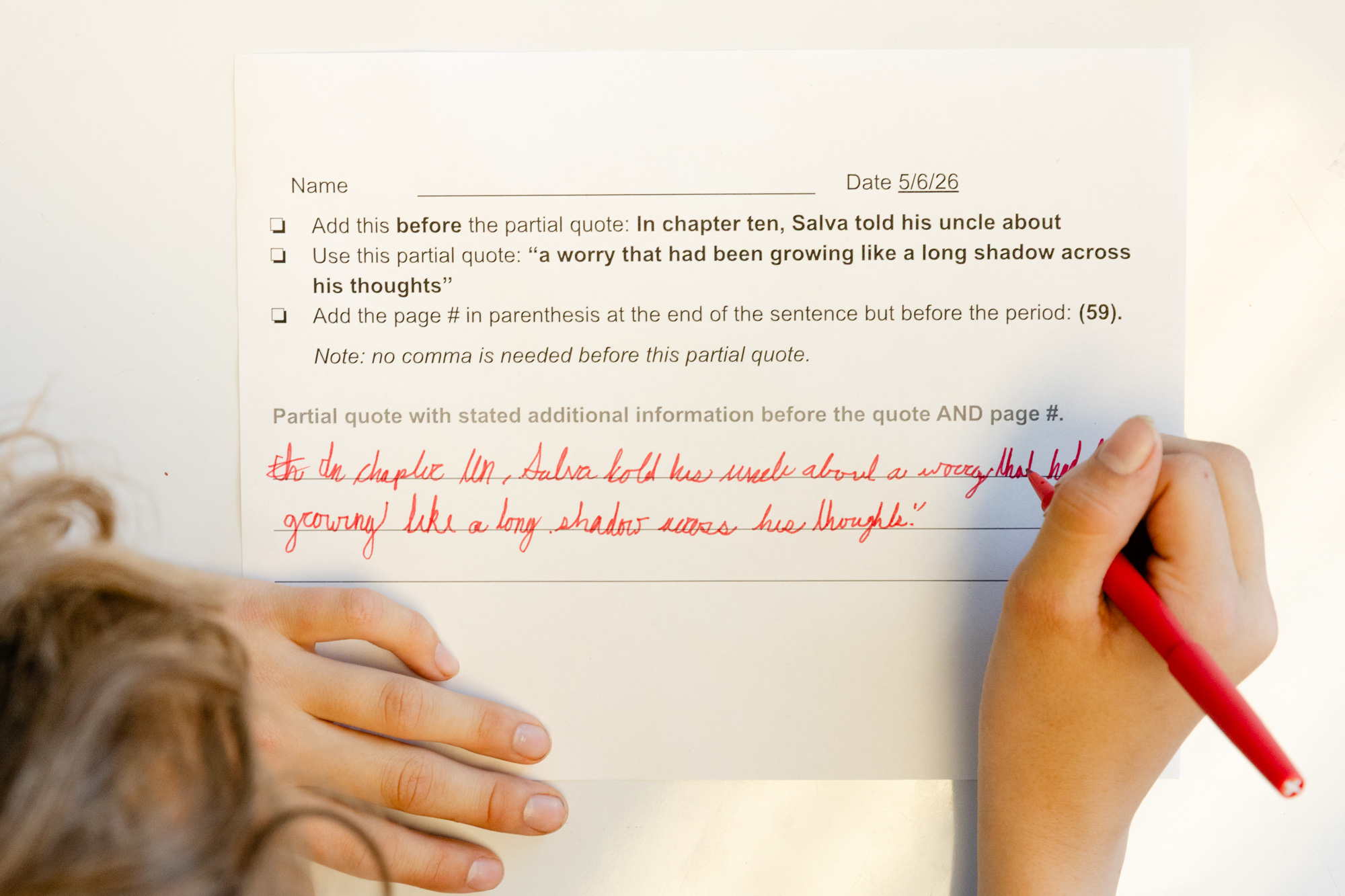
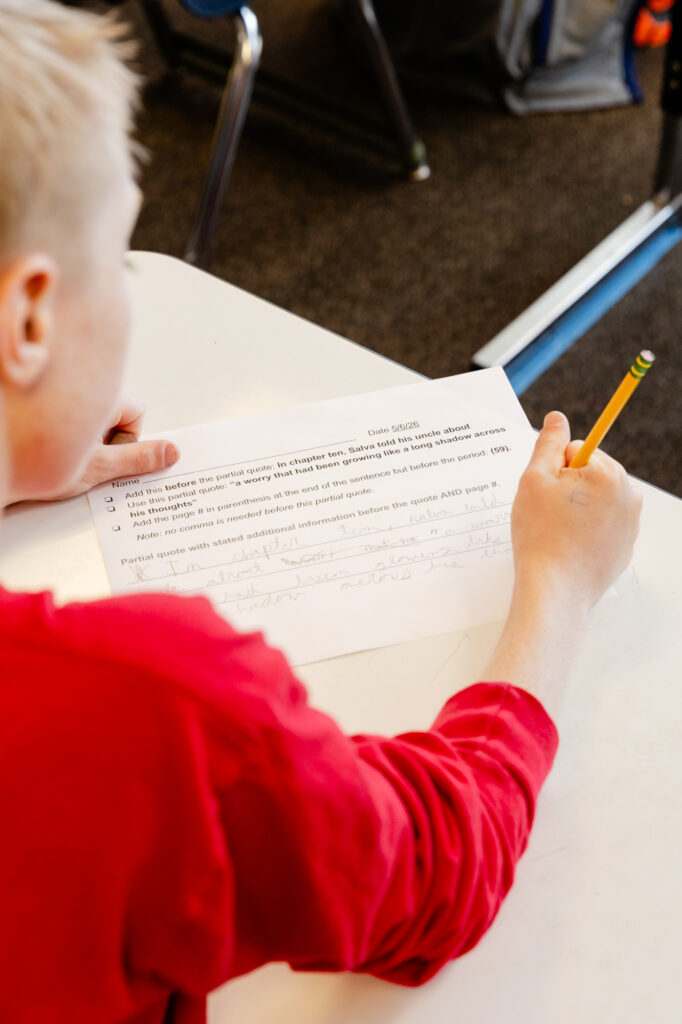
Close-up of a student's written classroom assignment demonstrating academic progress.
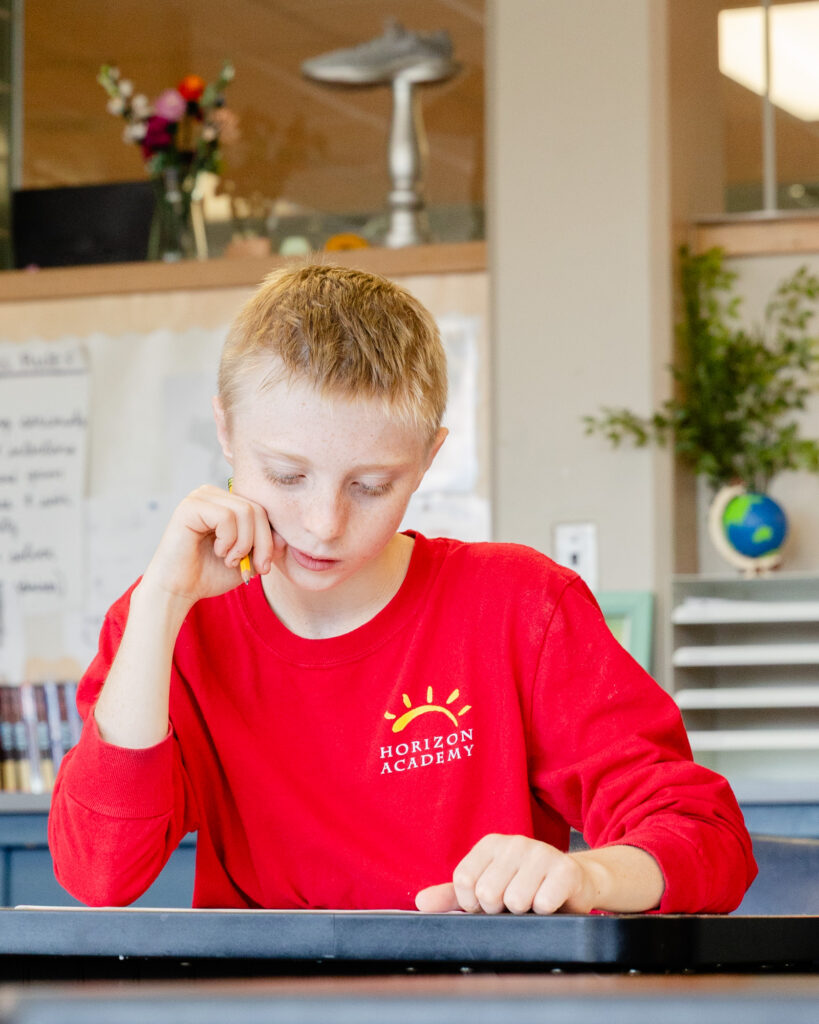
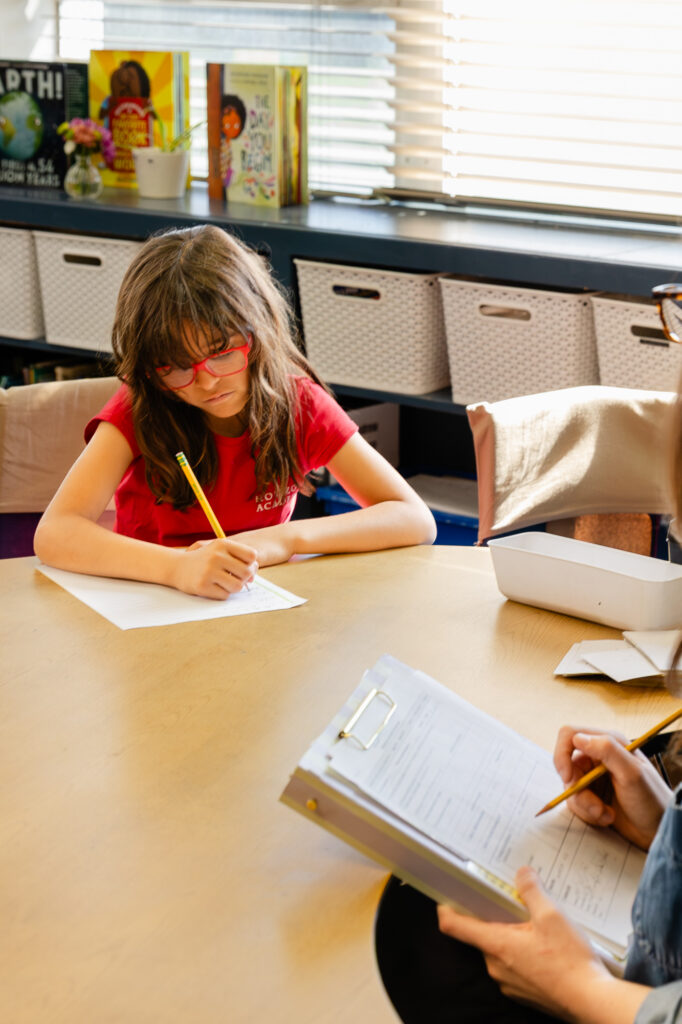
Intermediate school student concentrating on a classroom assignment.

Signs to Watch For

Forms of Dyslexia

Reading Avoidance

01

Does your child resist reading aloud or complain that books are “too hard?” Students with dyslexia often expend immense energy decoding words, making reading an exhausting chore.

Letter & Word Reversals

02

While common in early learners, persistent reversals of letters like b and d, or confusing words like was and saw beyond the first grade, can be a primary indicator of dyslexia.

Spelling Struggles

03

You might notice your child spelling the same word three different ways on a single page, or relying heavily on phonetic spelling well past the age where sight words should be mastered.

Subtle Signs of Dyslexia

Teacher smiling while meeting one-on-one with a lower school student.
1

Phonological Awareness

Difficulty isolating individual sounds in words, rhyming, or breaking words down into syllables during reading and speech.

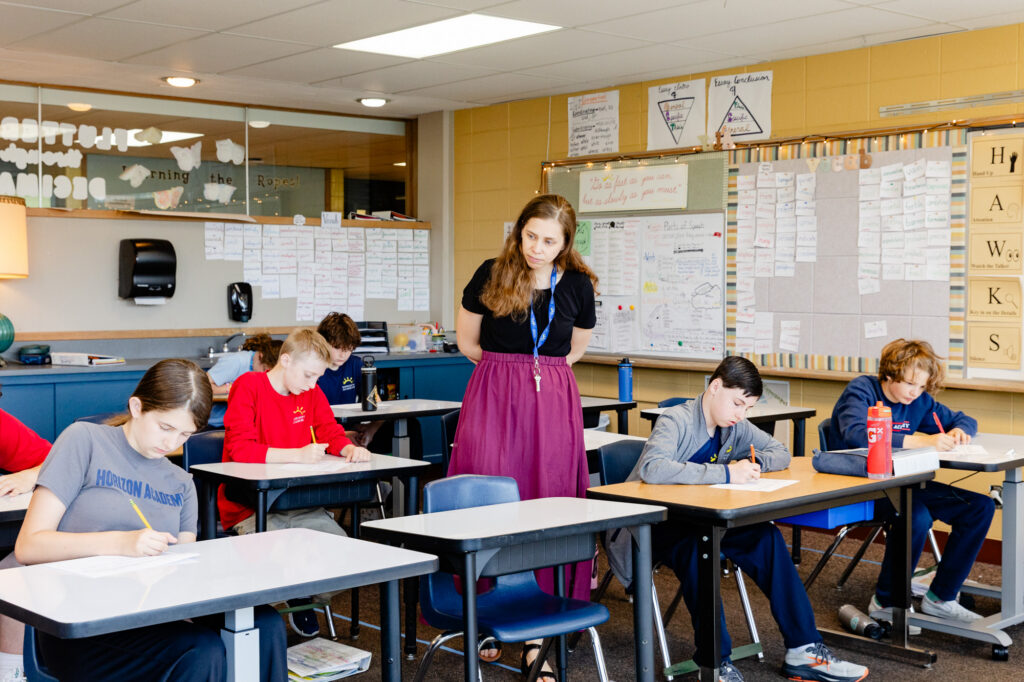
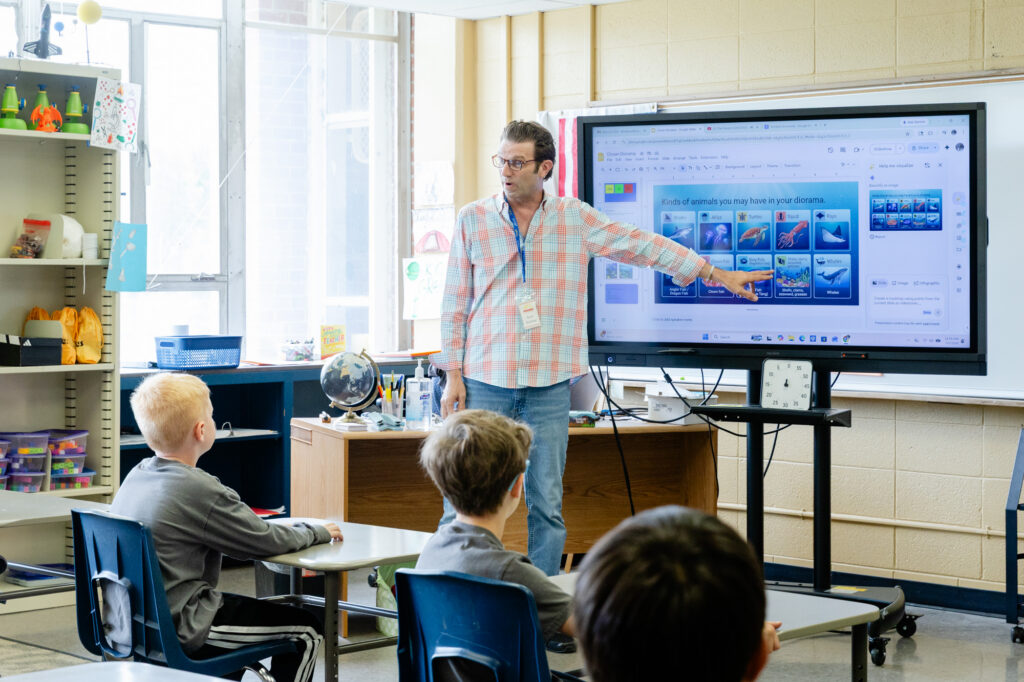
Teacher leading an intermediate school classroom discussion.
2

Rapid Naming Issues

Taking noticeably longer to name familiar objects, colors, or letters, even when they know them well.

Intermediate school student completing a classroom writing assignment.
3

Poor Working Memory

Struggling to hold multi-step verbal instructions in mind while trying to complete a task at home or school.

Speech-language pathologist engaging with a student during an individualized therapy session.
4

Mispronouncing Words

Frequently flipping syllables in longer words, such as saying “aminal” instead of animal, past the expected age.

Lower school student completing a classroom assignment independently.
Teacher presenting a lesson to lower school students using an interactive display.
Horizon Academy Logo Mark Decorative accordion text graphic.

Signs by Age Group

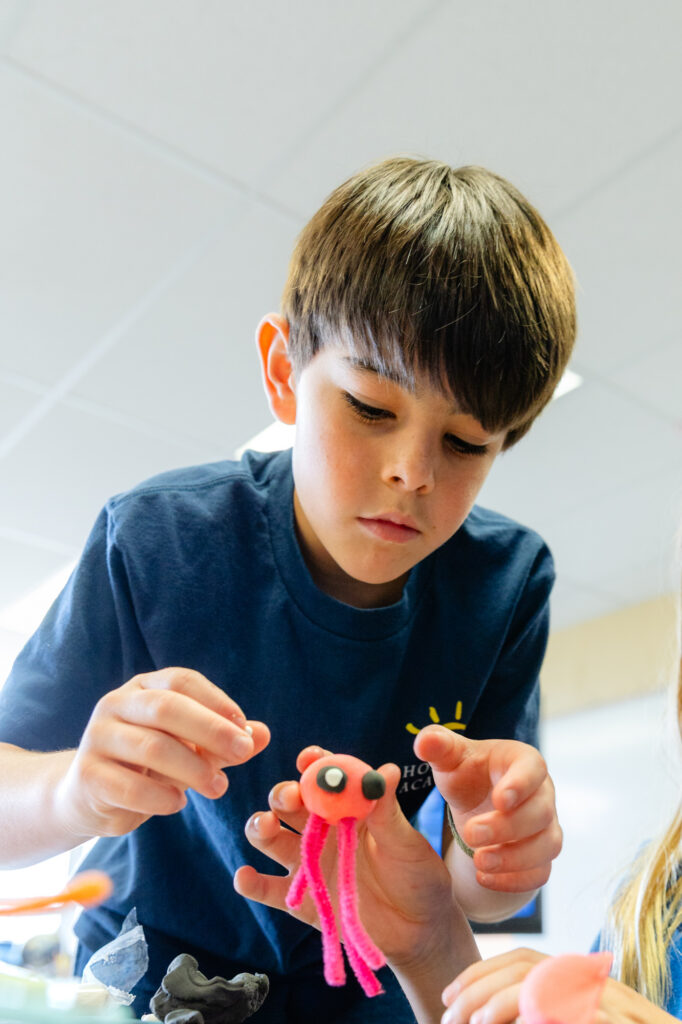
Lower school student concentrating on a hands-on classroom project.

Hear From Parents Like You

  • "Crayton was a happier kid after just being in the building for seven hours. The..."

    - Kaytee G.

  • "I get emotional when I talk about Horizon Academy because I have my daughter’s smile..."

    - Emilie S.

  • "She was excited that she was learning. The number one thing that stuck out to..."

    - Stefanie E.

  • "We have seen a ton of changes in Anna. The first thing that we saw..."

    - Jamie D.

Specialized Learning Support

Horizon Academy is a school specifically for students with dyslexia and other language-based learning disabilities, using evidence-based strategies, like the Orton-Gillingham Approach, Multisensory Math, The Writing Revolution, and executive function skill building.

View Our Approach

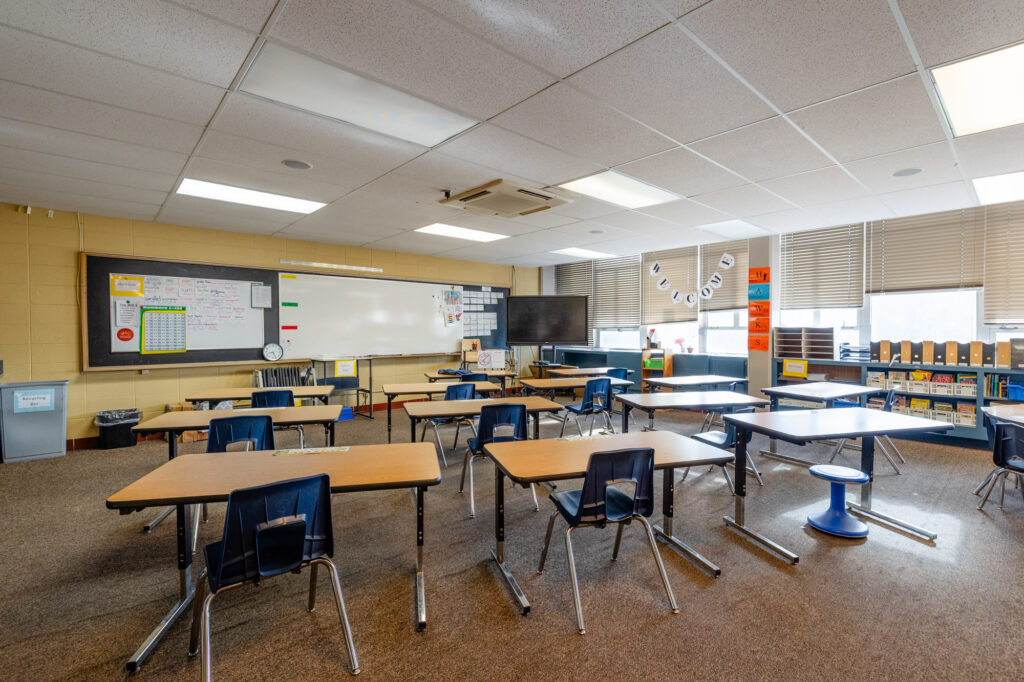
Classroom with student desks, chairs, and learning materials at Horizon Academy.
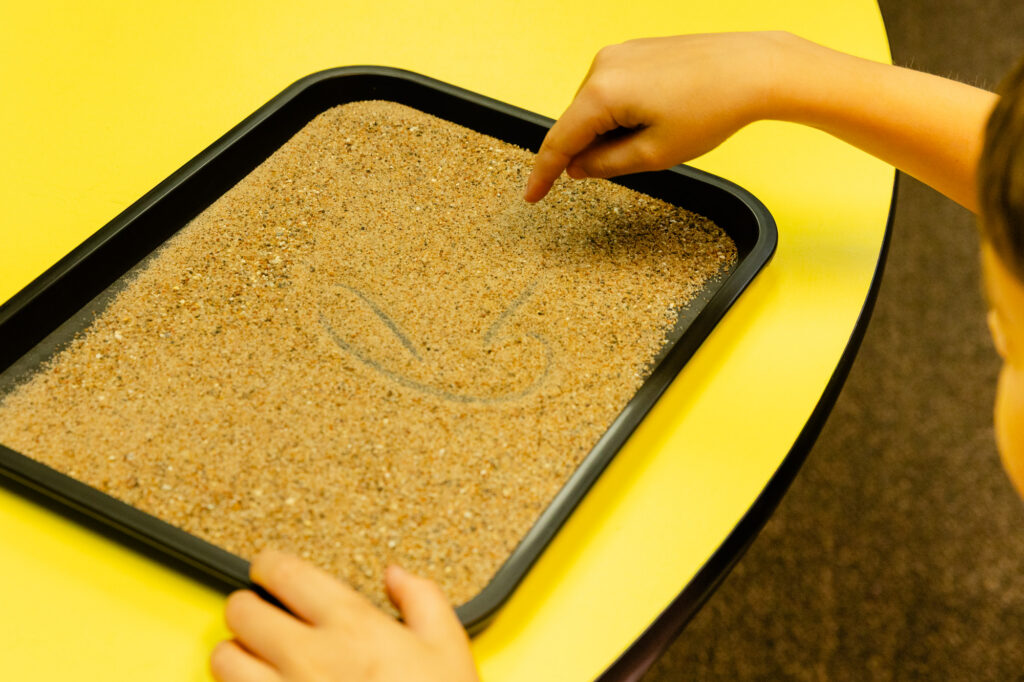
Student using a sensory sand tray as an instructional learning tool at Horizon Academy.
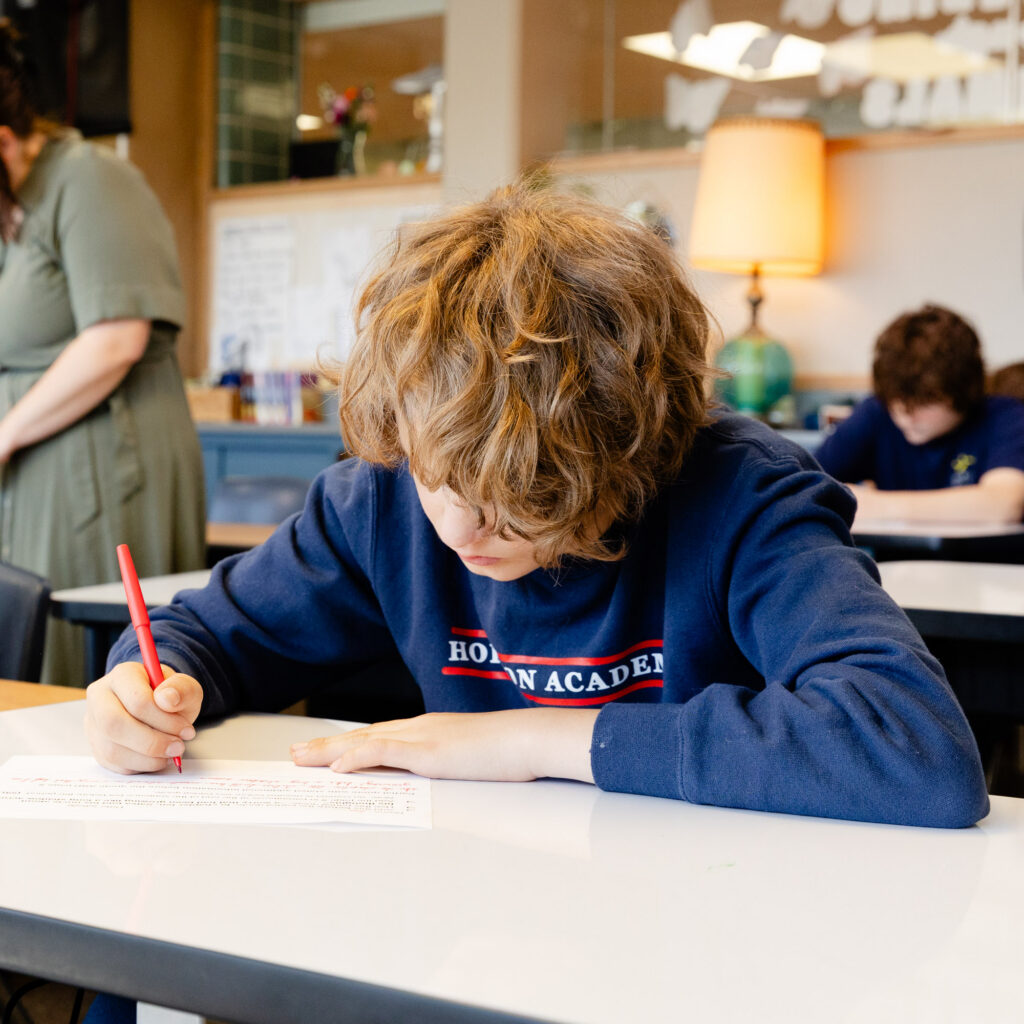
Intermediate school student focused on independent classroom work.
Speech therapy worksheets and learning materials on a classroom table.
Student participating in a hands-on summer program learning activity.
Horizon Academy campus sign at the entrance to the school.
Staff member supporting a student during a classroom activity at Horizon Academy.
Student completing a writing task during a learning disability simulation activity.

What to Do Next