What is working memory?
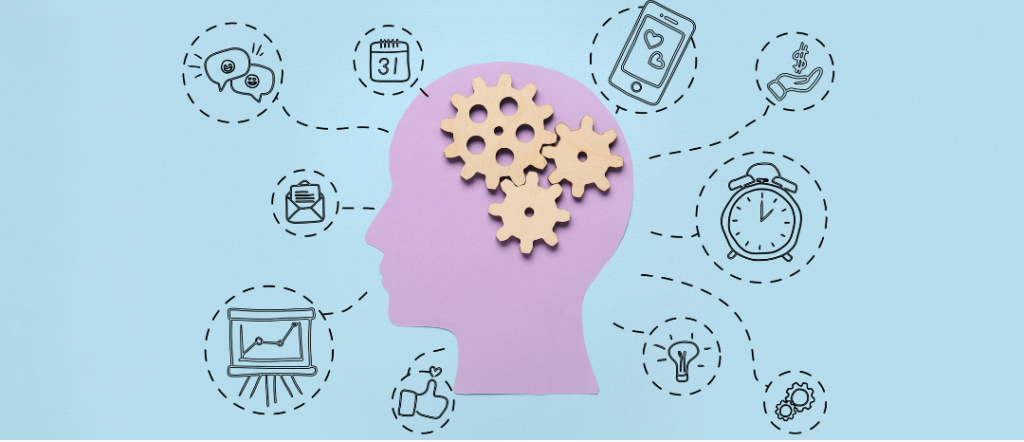
One of the ten executive functioning (EF) skills is working memory, and it’s a pretty important one. Working memory is the ability to hold information in our minds and work with it at the same time. (It’s kind of like our mental post-it note.) Not only is working memory an executive functioning skill, it is also something that is greatly impacted by ADHD. Research shows people can “hold” anywhere from 3-7 bits of information in our brain at once, but for students with ADHD, it is often less than that. Instruction at Horizon Academy is designed to be mindful of students’ working memory.
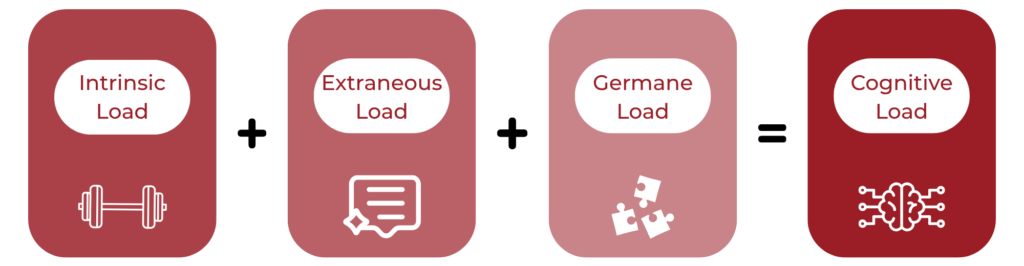
The best way to do this is to reduce one’s cognitive load. Cognitive load is the total amount of mental effort being used in a person’s working memory at any given moment. We have all also experienced cognitive overload, but we may more commonly recognize it as feeling “overwhelmed,” “burned out,” “fried,” or “brain dead.”
When our kids experience cognitive overload, what we often notice is them acting out and/or shutting down. As parents, we can grow frustrated by explaining something to our kids, only to hear “huh?” or “what?” or “I don’t get it!” after we have finished talking. Parents can also feel exasperated when their child suddenly loses their temper without really understanding where the breakdown occurred. However, we can help our kids by reducing their cognitive load and increasing their working memory capacity. To do this, we must understand that there are three kinds of cognitive load:
- The difficulty of the material (intrinsic load)
- How the information is presented (extraneous load) *often the most common kind of cognitive load at home
- The effort to process the information and build understanding (germane load)
 Here are things you can do at home that will help intrinsic load:
- Break big tasks into smaller chunks.
- Sequence projects or big tasks from the simple to the complex. The key is to start with core concepts, then build on them, one step at a time.
- Use scaffolding: Provide step-by-step guidance early on, then gradually remove it, little by little, until the child feels independent and secure. This is like removing training wheels once they are no longer needed.
- Understanding that it is easier for your child to learn new things when they are attached to things he/she already knows, so relate previous learning and background knowledge to new concepts.
Here are things you can do that will minimize extraneous load:
*most common at home
- Removing distractions and making things as clear and easy to follow as possible.
- Avoid cluttered visuals, unnecessary animations, or other distracting things (tv, computer, tablet, screens, video games, music, other conversations going on, etc.) at a time when your child is expected to listen or focus.
- Provide clear instructions and check for understanding by using clear, concise, and direct language to reduce confusion. Also ask your child to repeat the directions to ensure they understand what the directions are. This also helps parents to hear what their child understands, thus avoiding confusion or communication breakdowns.
- Limit multitasking: Focus on one task or concept at a time. Sometimes this may mean even focusing on one step at a time. Tell your child to do one part of the task first, then, once that is completed, they can move onto the next step.
Here are things that help to reduce germane load:
- Use examples and easy to understand guides.
- Encourage your child to repeat and/or explain concepts in his/her own words to ensure he/she understands them.
- Reduce noise, visual clutter, and distractions.
- Give breaks and rest when you notice the child getting overwhelmed so he/she can regulate and restore.
- Getting enough sleep, eating healthy, and drinking enough water (lack of sleep, nutrition and dehydration all impact working memory).
- Use checklists so he/she can check off what he completes and can see his/her progress and use pictures with the verbal directions on a checklist to help understanding (particularly important for students with dyslexia).
Adding just a few of these above tips to your household routine will not only benefit your child, it will benefit the entire family. ADHD is a disability of Executive Functioning. Everyone has EF strengths and weaknesses, but those with ADHD struggle far more with most of their EF skills. Reducing cognitive load will relieve your child’s brain from overworking and overloading. The result will be easier direction-following and less emotional stress for all.