
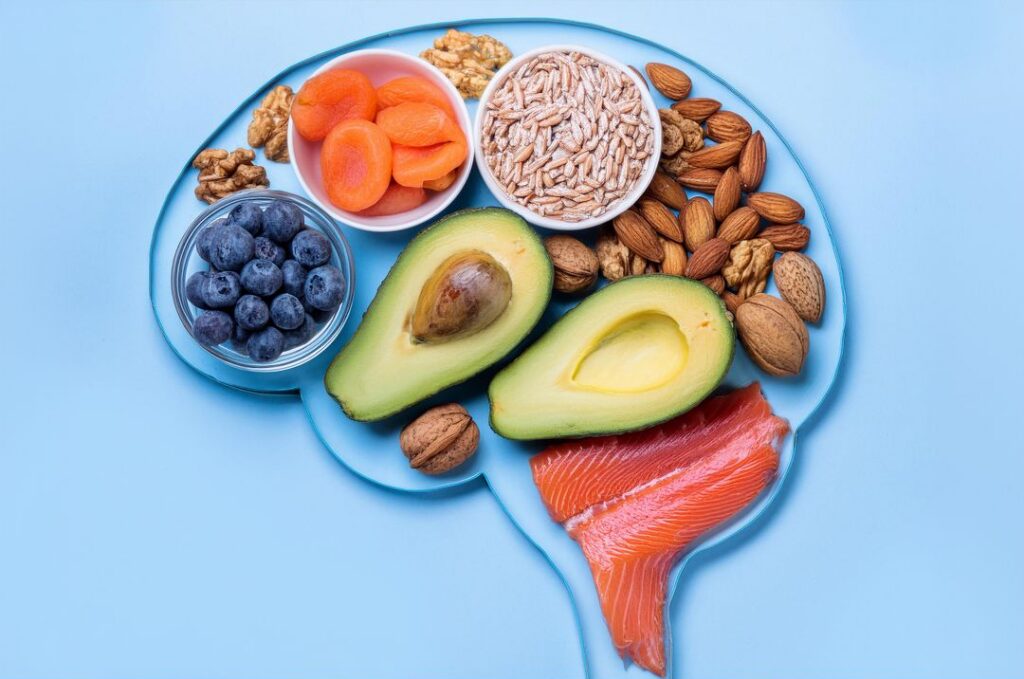
A brain-healthy Diet: The Importance of Balanced Meals for Students
It is no secret that students need a brain-healthy diet full of balanced meals to fuel their body, develop strong bones, maintain stable energy, encourage brain development, support mental health, and ultimately set them up for success during the school day.
Research also shows us that students with Attention Deficit Hyperactivity Disorder (ADHD), approximately 70% of Horizon Academy students, can misread or miss hunger cues and lose their appetites due to their stimulant medication. Some neurodivergent children may also be choosy about the textures, smells, or tastes of food due to sensory needs which can dramatically limit meal choices. As an adult with ADHD, these moments are all too familiar.
Regardless of preference or executive functioning barriers, the importance of nutrition remains non-negotiable.
A balanced diet is a crucial component of being a regulated, flourishing human in both body and brain. Preparing breakfasts, lunches, and dinners that support a brain-healthy diet is a complex, nuanced task even for me as an adult. I can only imagine the cognitive burden this creates for students or parents facing the throes of morning efforts to walk out the door for school.
The goal of this article is to help lighten the executive functioning (EF) required by giving you some easily implementable tips and tricks to try as the rhythms and routines of the school year are in full swing: “look-fors” in grocery items that support your students’ brains, meal prep ideas, recipes you could try, and more.
Why Does a Brain-Healthy Diet Matter?
Before we dive into ways to help reduce the cognitive load of a brain-healthy diet, it helps to understand exactly why nutrition matters.
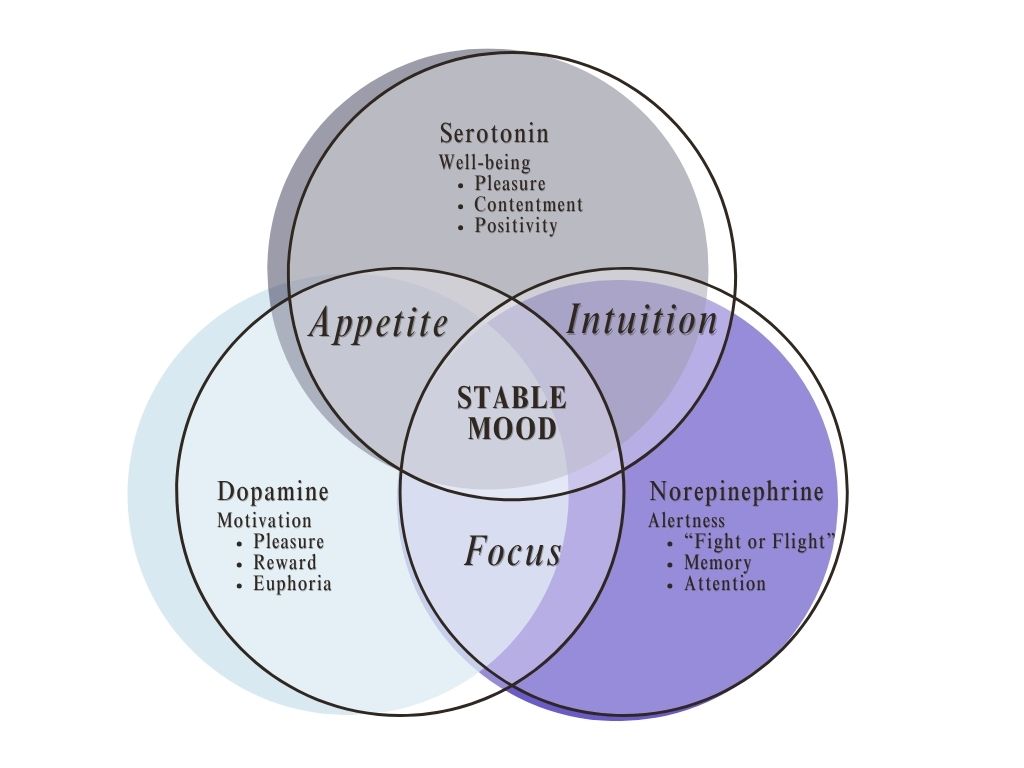
Humans need food to power our brains, which use about 20%, or ⅕, of our daily caloric spend. Food also provides the building blocks for your body to create three crucial neurotransmitters: serotonin, dopamine, and norepinephrine.
-
-
-
- Norepinephrine increases focus, attention, and memory retrieval.
- Dopamine supports students’ focus, implication in rewards, and motivation.
- Serotonin regulates students’ energies, moods, sleep, circadian rhythms, and anxiety.
-
-
These chemical messengers work together to support students’ brain health throughout the day and proper nutrition can give these neurotransmitters the fuel they need. A balanced diet supports a balanced mood.
Nutrition Label Facts You Should Pay Attention To
Protein
Research shows that protein encourages alertness in the brain. It is used by the body to build and launch neurotransmitters. It also stabilizes blood sugar levels, supporting sustained attention and concentration.
Complex Carbohydrates
Always look for ways to incorporate vegetables, fruits, and rich fiber carbohydrates into meals. Help your child build a habit of reaching for an apple or carrots when they need a snack. These types of slow-release carbohydrates (whole grains, vegetables, and beans) provide a prolonged supply of glucose to the brain, keeping energy levels steadier for longer.
Omega-3
Omega-3 Fatty Acids are of the most overlooked macronutrients to incorporate into a brain-healthy diet. These healthy fats can be found in fish like salmon, walnuts, and chia seeds and support overall brain development, memory, and attention. When my sisters and I were growing up, our mom created a morning routine of giving us cod liver oil mixed with orange juice in a shot glass. While it may not sound appetizing, we would all take it every day, and our house had no shortage of picky eaters. I still take it to this day and notice a significant difference when I skip.
Vitamins and Minerals
A multivitamin that includes iron, zinc, magnesium, vitamin D, and B vitamins can be helpful in supporting overall cognitive function. Deficiencies in these nutrients can increase the severity of your child’s ADHD symptoms, so focusing on these specific vitamins can be helpful. Remember to always consult your child’s pediatrician about the best options for your child in these areas.
Four Tips and Tricks for A Balanced Diet
1. Protein When Your Child is a Carb-Lover
Start with a “safe” carbohydrate, meaning one you know they find delicious, then add protein alongside that.

Consider one of my go-to’s for breakfast:
-
-
-
-
- Chobani Protein Low-Fat Yogurt Drinks (30g. of protein) with sourdough toast
- Nut butter + oatmeal
- Egg cups stuffed with veggies and a bowl of Seven Sundays Little Crispies
- Cottage cheese oatcakes.
- Protein pancakes + eggs
-
-
-
2. Five Minutes or Less
You can have a brain-healthy diet while still prioritizing efficiency. One of the most important factors of breakfast for me is the ability to have it in my hands in five minutes or less in the morning. For lunch, make something ahead! I prefer a tuna or chicken salad that can go in my lunch box with fruit and crackers, DIY lunchables, protein pasta salad made with chickpeas, or a protein lunch wrap. Anything simple, enjoyable, and nutrient packed is perfect. Dinner should include protein, vegetables, and carbs. If you are someone who loves cooking complicated meals after a long day working and learning, congrats. If you are like many of us, don’t feel pressured to be fancy, just tasty and nutritious.
Pro tips: Create a week-long menu, pre-chop produce, and prepare for days where you may not have the energy to cook by ensuring you have easy protein options to grab. Lean on soups, one-pot recipes, sheet pan meals, and a crockpot to reduce the number of steps in cooking a delicious dinner.
3. Eat Every 3-4 Hours
Eating every three to four hours can stabilize blood sugar, prevent energy crashes, avoid undereating when hunger cues are missed, and also stop extreme hunger that can cause over-eating. Since students with ADHD are susceptible to time blindness, hunger cues, and hunger suppression from medication, a habit of eating more often throughout the day can help them develop a brain-healthy diet.
Set alarms, make visible food available, focus on protein over sugar for longer energy, and rely on convenience when necessary. Your child may sometimes have cheese and meat, other times it may look more like grabbing a pre-packaged protein bar for the road. Both keep your student fueled for their day of learning and growing.
4. Don’t skip out on lunch
It can be easy to forget how important lunch is while your child is at school. But a third or more of a child’s daily energy is supplied through lunch. Eating a balanced midday meal helps sustain energy, improves concentration, and correlates with lower disruptive behaviors and higher academic success. It also helps students build a long-term habit of properly fueling their body for the day ahead.
Here are some resources that share easy, nutritious school lunches that your student will love:
-
-
-
-
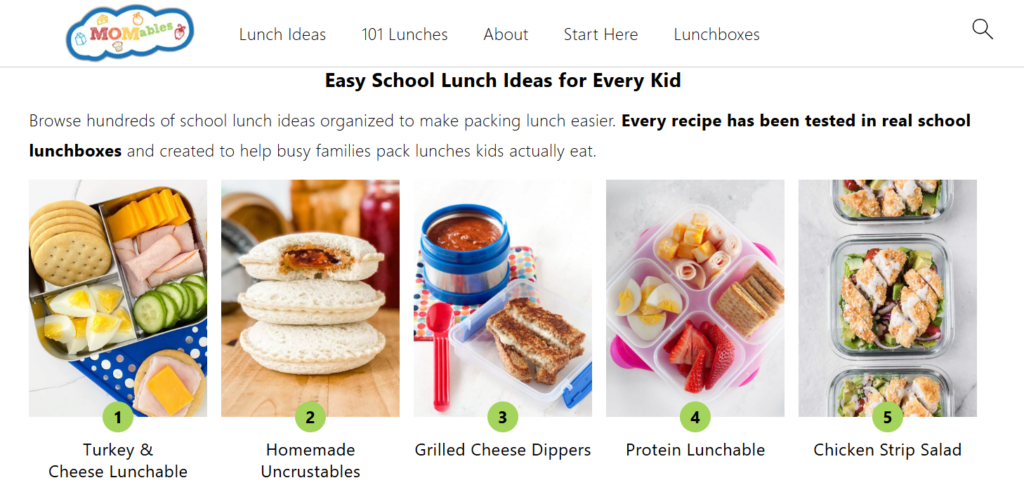
- Momables – Browse hundreds of school lunch ideas organized to make packing lunch easier. Every recipe has been tested in real school lunchboxes and created to help busy families pack lunches kids actually eat.
- 365+ Healthy School Lunch Ideas – While more involved recipes, the child involvement in the execution can pay off for picky eaters.
- School Nutrition Magazine – A catalogue of recipes that allows you to search and sort by cuisine, meal component, and special diet.
-
-
-
You are Not Alone
It may seem cliche, but I think it is important to say that you are not alone in the struggle. Juggling our full lives, feeding other people, and properly fueling ourselves is a lot to balance. Even though preparing food is a large managerial task, it can greatly help reduce the daily cognitive burden of eating.
A brain-healthy diet is vital for the success of all students, especially those at Horizon Academy.
As a teacher, it is evident when a child arrives in the morning with gas in the tank because they ate breakfast. Students who arrive at school ready to go have the opportunity to lap up every minute of precious instructional time without missing anything by going to the office to get a snack. The same is true for lunch. Students who eat a balanced, satiating lunch are able to tackle their afternoon classes head-on while those who do not drop-off in the afternoon.
I am constantly wowed by the tenacious grind I am privileged to observe as parents set their children up for success at home base. My hope is that this information helps you with actionable steps to prioritize a brain-healthy diet for your students so they come to school ready and able to learn.